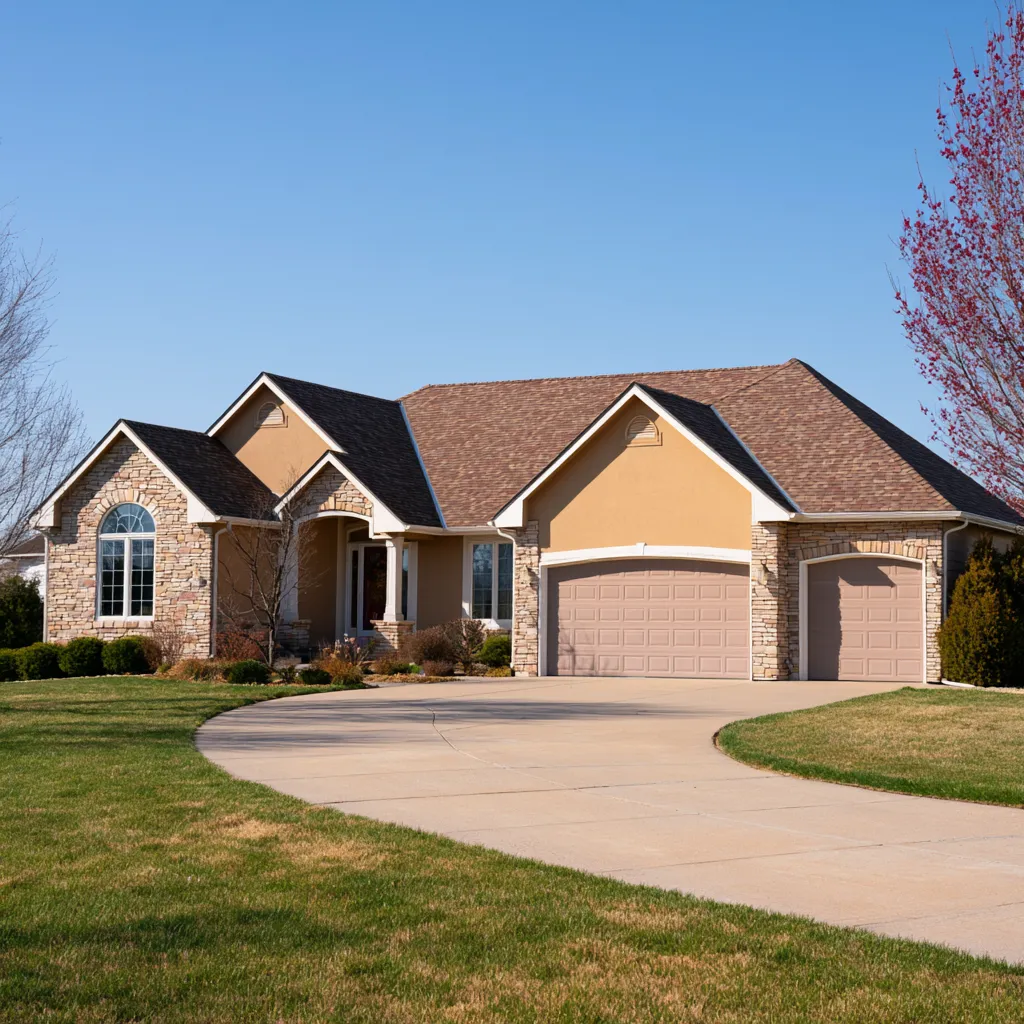
Soffit and Fascia Repair in Grapevine, TX
Why does a sagging gutter point at soffit and fascia repair? The board behind it rots first, and peeling paint says the same.
Soffit and fascia repair in Grapevine, TX
The fascia is the board that closes off the rafter ends along the edge of the roof. Your gutter is fastened to it, and everything the gutter is carrying hangs off it too. The soffit is the panel underneath, running back to the wall, and the vents in it are where the attic takes its air in.
So a soft stretch out there is a roof problem rather than a trim problem. Wood at the eave rots where water sits, and water sits for a reason: a gutter running over, a leak higher up finding its way down, or blocked vents holding damp against the panels. Cut the bad wood out without settling that and the new board is headed the same way.
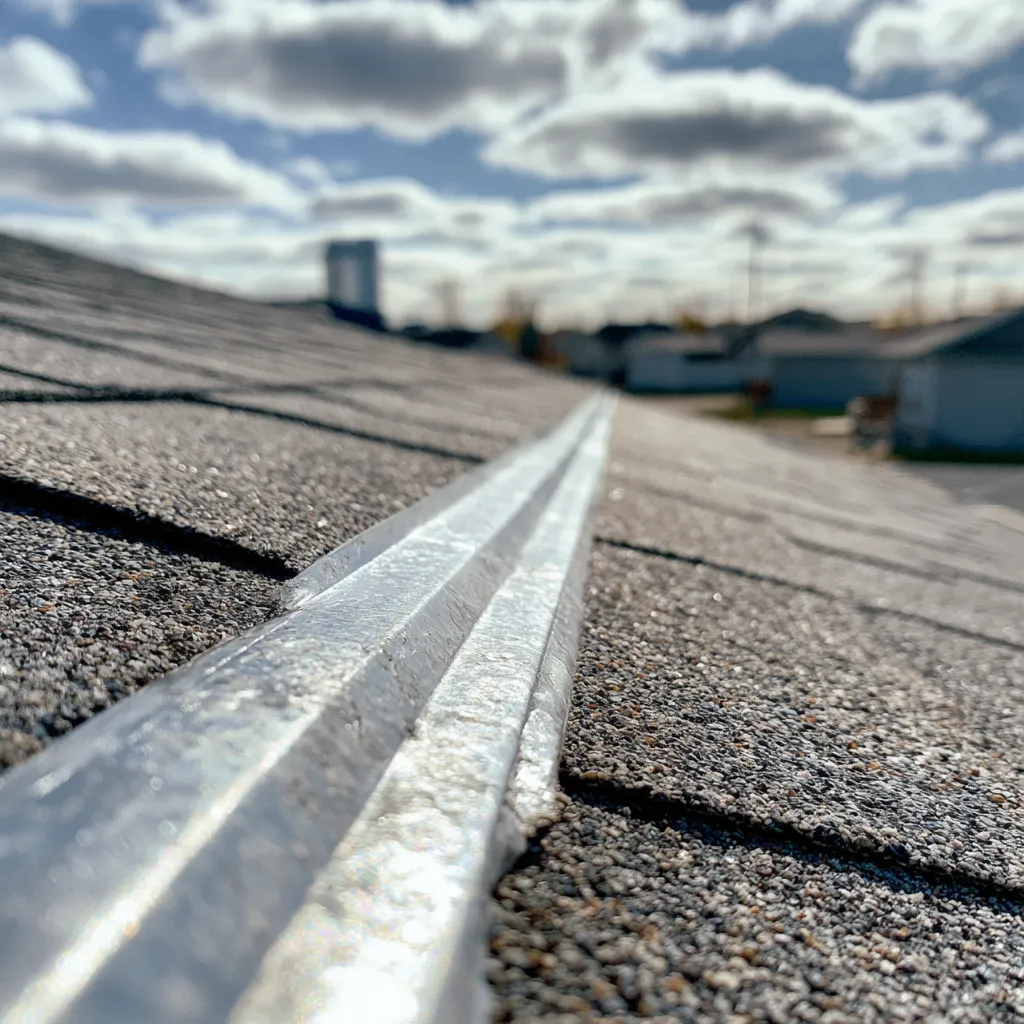
What soffit and fascia repair covers
Eave work is priced by the foot and by how far the rot ran. These are the lines.
Wood and composite both have a case here. Primed wood matches the profile already on the house, takes paint and costs less to put up, and it lasts exactly as long as somebody keeps painting it. Composite and aluminum-wrapped trim will not rot and skips the repainting, costs more at the start, and reads a little differently up close on an older street.
The gutter comes down first
The bad board sits directly behind the run. During the work, a homeowner glancing outside will notice a stretch of gutter unhooked and set aside rather than left hanging in the way.
Cut back to wood that is still hard
Rot keeps traveling along the grain past the point where the paint failed. Stopping the cut at the visible stain would leave softened wood behind the new board with nothing solid to nail into.
A look at the rafter ends and the deck edge
Water that took the fascia has usually reached the rafter tails behind it. The new fascia has solid framing to hold a nail permanently, rather than working loose the first time the wind gets under the eave.
Soffit panels back in, vents open
Damaged panels come out and the intake vents go back working. A faster patch just boards over the damaged section solid.
Primed and ready for paint
New wood leaves primed, or pre-finished where the material comes that way. The gap between the repair and whenever the final paint actually gets scheduled is when bare wood is most exposed, sitting unprotected until the coat goes on.
What rotted soffit and fascia look like
Every one of these shows from your own driveway, which makes the eaves the easiest part to watch. Those signs are easy to miss if no one is looking, and the next place they tend to show up is inside, as a stain on the ceiling near an exterior wall.
- Paint bubbling in a stripe along one board.
- Dark streaks on the board behind the gutter.
- A gutter line that dips or leans away from the wall.
- Soffit panels stained, sagging or open at the seams.
- Dark, slightly swollen wood at the corner of an eave.
- Daylight or a nest where a panel should be closed.
What the driveway cannot tell you is how far it goes.
How soffit and fascia repair goes in Grapevine
Rot runs longer than the part you can see. Its true length only shows once the gutter run comes down.
Point out the bad stretch
Which side of the house, how long it looks, what sits above it.
Trace where the water came from
A gutter, a leak higher up, or damp held in by blocked vents.
Take the gutter down
With the run off, the real length of the rot shows.
New boards, vents open, gutter back
Cut to hard wood, panels vented, primed, and the run re-hung.
What the roofer shows you about the rot
Rot hides behind the gutter and behind the paint. What comes off is worth photographing before it goes.
The eave gets opened before it gets priced
The gutter comes off and the length of bad wood is photographed with the run down. You are looking at the same stretch the roofer is.
You get the patch price and the whole-run price
Cutting out two bad stretches and replacing the full length are different numbers, and both belong in front of you. On a run with several failures the full length often comes to less than four separate patches.
The vents go back working
Intake at the eave is half of what keeps an attic dry, so panels go back vented instead of closed up. Covering them would trade the rot for a hotter attic and a shorter roof.
What drives a soffit and fascia repair price in Grapevine
Two things move this price. One is how many feet of board and panel come off, which anybody can measure from the ground. The other is what turns up behind them once the gutter is down, which nobody can. A fair quote for eave work says up front what happens if the rot runs further than it looks.
Have the eaves measured- Feet of fascia replaced, and how much soffit panel comes with it
- Material: primed wood, composite, or aluminum wrapped over the repair
- Taking the gutter down and hanging it back, and whether the run survives it
- Rafter tails or deck edge that turn out soft behind the board
- Height and access, since a two-story eave over a fence is slow work
Those are the drivers rather than a number. The eave gets measured and written up, and a quote that says nothing about the rot running further is a quote with a hole in it.
Soffit and fascia questions Grapevine homeowners ask
Look up at your own eaves and the questions start. Most come down to how far the repair should go.
Get the eaves looked at
Say which side of the house it is on and roughly how long the soft stretch looks from the ground. If it turns out to be one corner and a length of gutter, that is what your quote should say and nothing more.
Call today(817) 442-2362