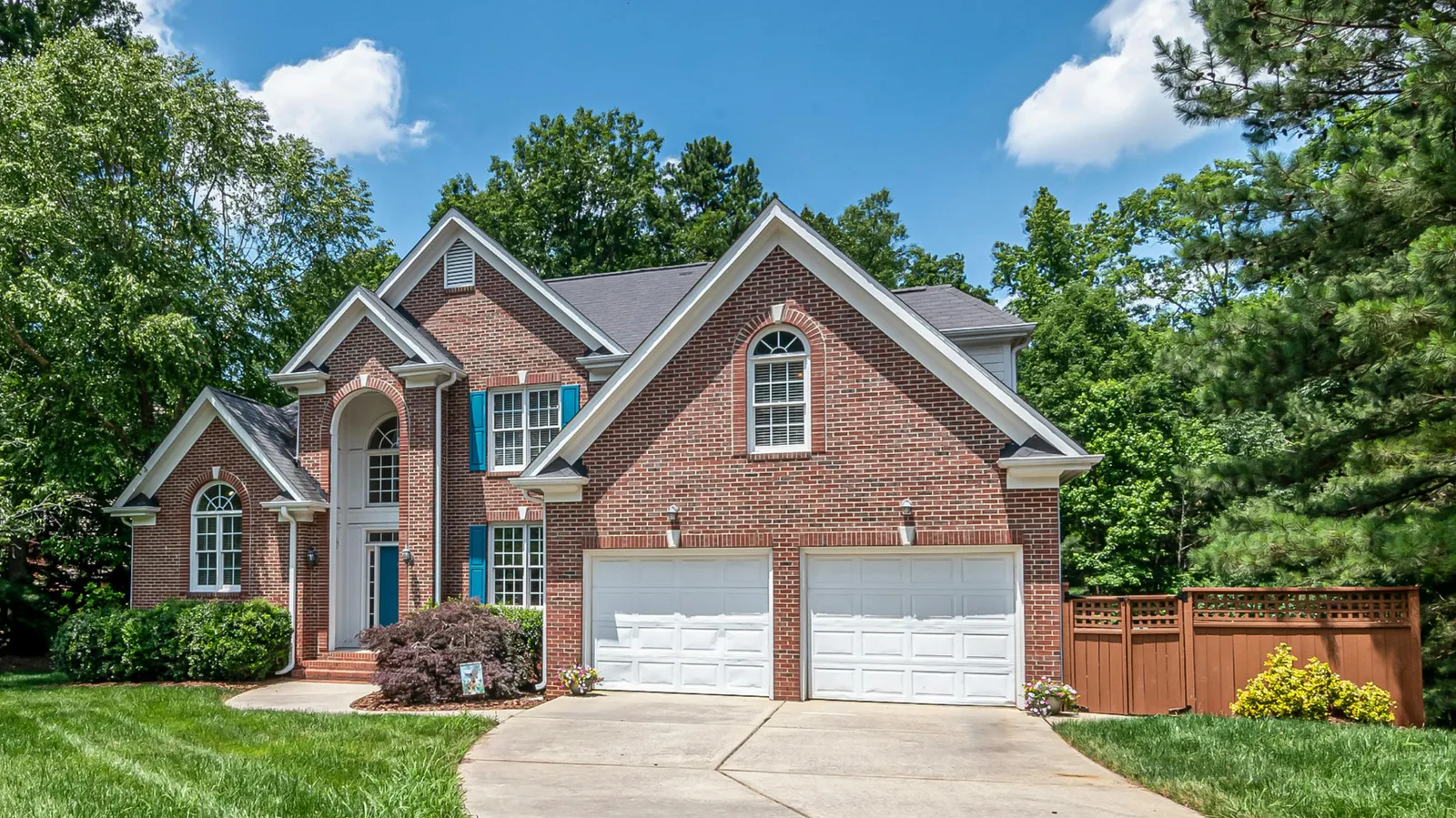
Roof Ventilation in Grapevine, TX
Roof ventilation only works when intake and exhaust are balanced.
Roof and attic ventilation in Grapevine, TX
An attic works the way a chimney does. Cool air comes in low at the soffits, the underside of the roof overhang, sweeps along the bottom of the roof deck picking up heat and moisture, and leaves at the peak. Close off either end and the whole thing stalls.
In a North Texas July that stalled air cooks the deck, the deck cooks the shingles from underneath, and asphalt cooked from below curls and blisters years earlier than it should. It is the ordinary reason two houses built the same year need roofs at different times.
The part almost nobody has had explained is that adding exhaust on its own makes it worse.
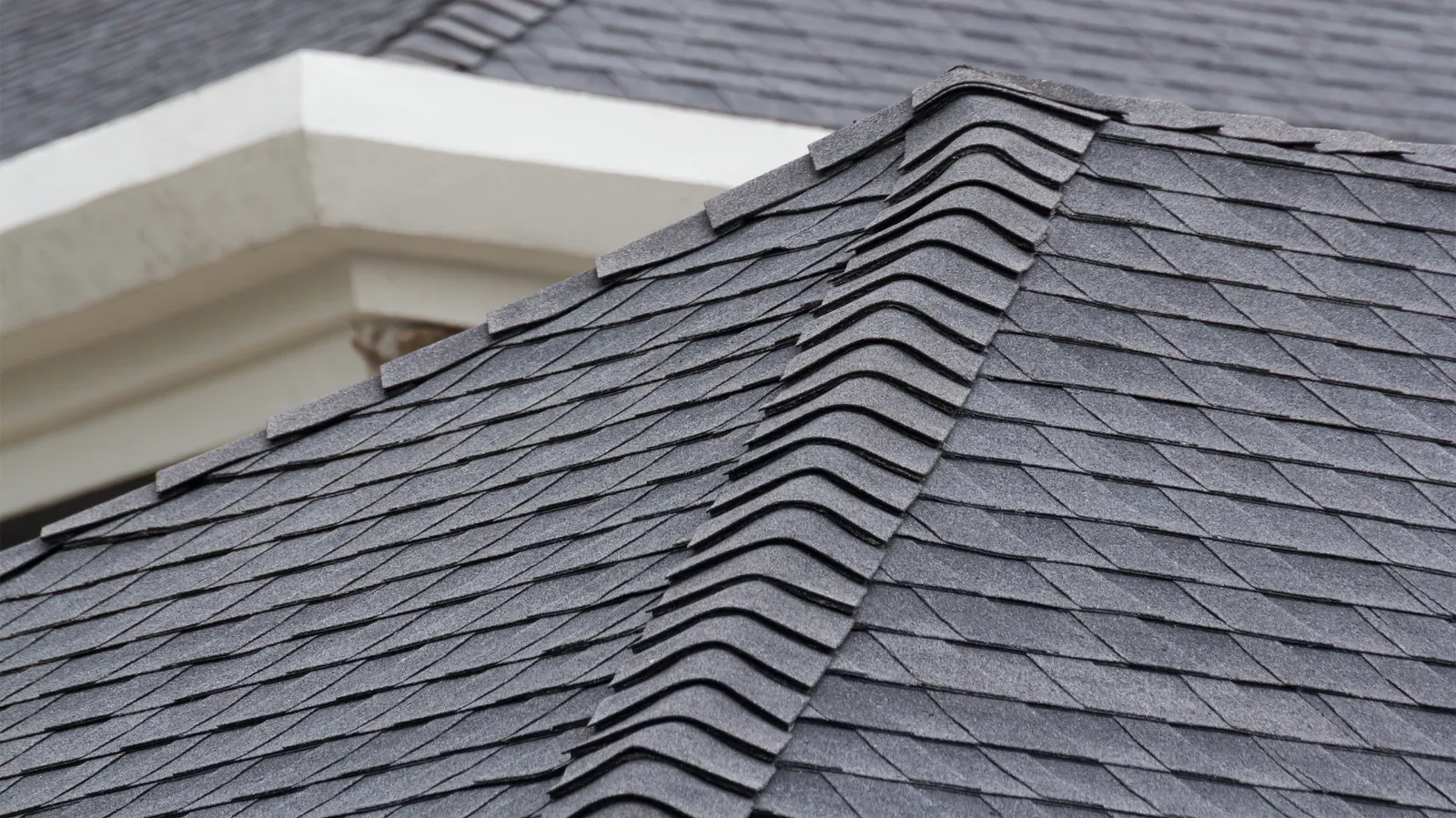
What a ventilation job covers on a Grapevine roof
The counting happens before anything gets installed, because the count is what decides which end needs the work. An attic with plenty of intake at the eaves but nothing at the peak, or the reverse, is what turns a simple vent count into an actual repair.
The rule of thumb a roofer works to is about one square foot of vent for every 150 square feet of attic floor, and half that much is allowed when the low openings and the high ones are split properly. Grapevine has been inspecting to the 2021 building code since the start of 2024, and most of the town's houses were built long before it.
Counting what is up there now
The vents already on the house get measured against the attic floor they serve, using the open area air can actually pass through rather than the outside size of the vent. Missing that measurement can leave a roof with vents that look adequate from below but leave the attic short of the airflow it actually needs.
Opening the intake back up
Painted or buried soffit vents get cleared. From inside the attic, a soffit vent that shows daylight but no airflow at the eave is the sign that insulation has already drifted back over the opening.
One kind of exhaust at the top
Continuous venting along the peak, hidden under the cap shingles, is the usual answer. Warm air rises to the highest point of the attic on its own.
Taking out whatever competes
Gable vents in the end walls and old powered fans get closed off or removed where they pull from the same air as the peak. Air finally gets a single path to follow, from soffit to peak, instead of shortcutting between two vents that used to trade air back and forth.
What the attic itself shows
Rusted nail heads, matted insulation and stained decking get noted while the roofer is up there. An inspection that stops at the shingles never climbs into the attic at all, missing exactly the marks that show whether ventilation is actually the problem.
What an under-vented attic does to a roof
This is slow damage, so it usually gets blamed on the shingles. It tends to show up first in an attic that runs noticeably hotter than the rest of the house or in shingles that curl years ahead of schedule.
- An upstairs room that will not cool down in July while the rest of the house is fine.
- Shingles curling or blistering on one slope while the others look sound.
- Rusty nail heads on the underside of the decking, seen from the attic.
- Insulation that is matted flat or damp to the touch.
- A musty smell in the attic, or dark blooms on the underside of the deck, from condensation that has had a few seasons to sit.
- Soffit vents you cannot see any daylight through from inside the attic.
Any one of these has other explanations.
How roof ventilation work goes in Grapevine
The count comes first. Nothing gets added to a roof before the balance is known.
The description
Which rooms run hot, what the attic smells like, and roughly how old the roof is.
The attic
Intake at the eaves, exhaust at the peak, and whatever the decking and the insulation show.
The count
Vent area against attic floor area, then a plan that keeps intake ahead of exhaust.
The change
Soffits cleared, one kind of exhaust kept, and anything competing with it closed off.
What the roofer checks in the attic
The attic is the one part of a roof nobody ever looks at, and it holds most of the evidence.
The count comes back with the numbers
Vent area and attic floor area are two figures, and you get both of them along with what they mean together. Nobody has to take the conclusion on faith when the math is on the page.
Photographs from inside
Soffits, decking, nail heads and insulation get photographed where they sit rather than described afterward. It is the only way to see a part of your own house you cannot reach.
A plan that starts at the bottom
Intake gets sorted before exhaust gets added, because a roof cannot breathe out more than it breathes in. Where an attic already balances, the answer is to leave it alone.
What drives ventilation cost, and when it rides a replacement
Ventilation is odd among roofing jobs in that the cheapest moment to do it is while something else is already open. Cutting continuous venting into a peak means taking the top of the roof apart and capping it back, which is most of the labor and almost none of it when the shingles are off anyway. Intake work down at the eaves is the exception, and it often stands on its own.
Ask about ventilation work- How much of what is already up there can stay, and how much of it is working against the rest
- The length of peak that has to be opened and capped back, which is where most of the labor sits
- Whether the soffits need clearing, baffles, or new vented panels put in
- Removing what competes: a gable vent closed off, an old powered fan taken out
- Whether it happens during a replacement, when the peak is open regardless
None of that is a price, and a ventilation number is worth very little before somebody has counted what is up there. The count is what the figure gets built on.
Ventilation questions Grapevine homeowners ask
Adding vents above blocked soffits leaves the heat where it is. Intake decides that, and shingle warranties depend on it.
Have the attic ventilation checked
Say which rooms run hot and roughly how old the roof over them is, and a local roofer goes into the attic and counts both ends of the system. The attic look is free with Grapevine Roofworks, including the times it ends with somebody telling you the ventilation is already fine.
Call today(817) 442-2362