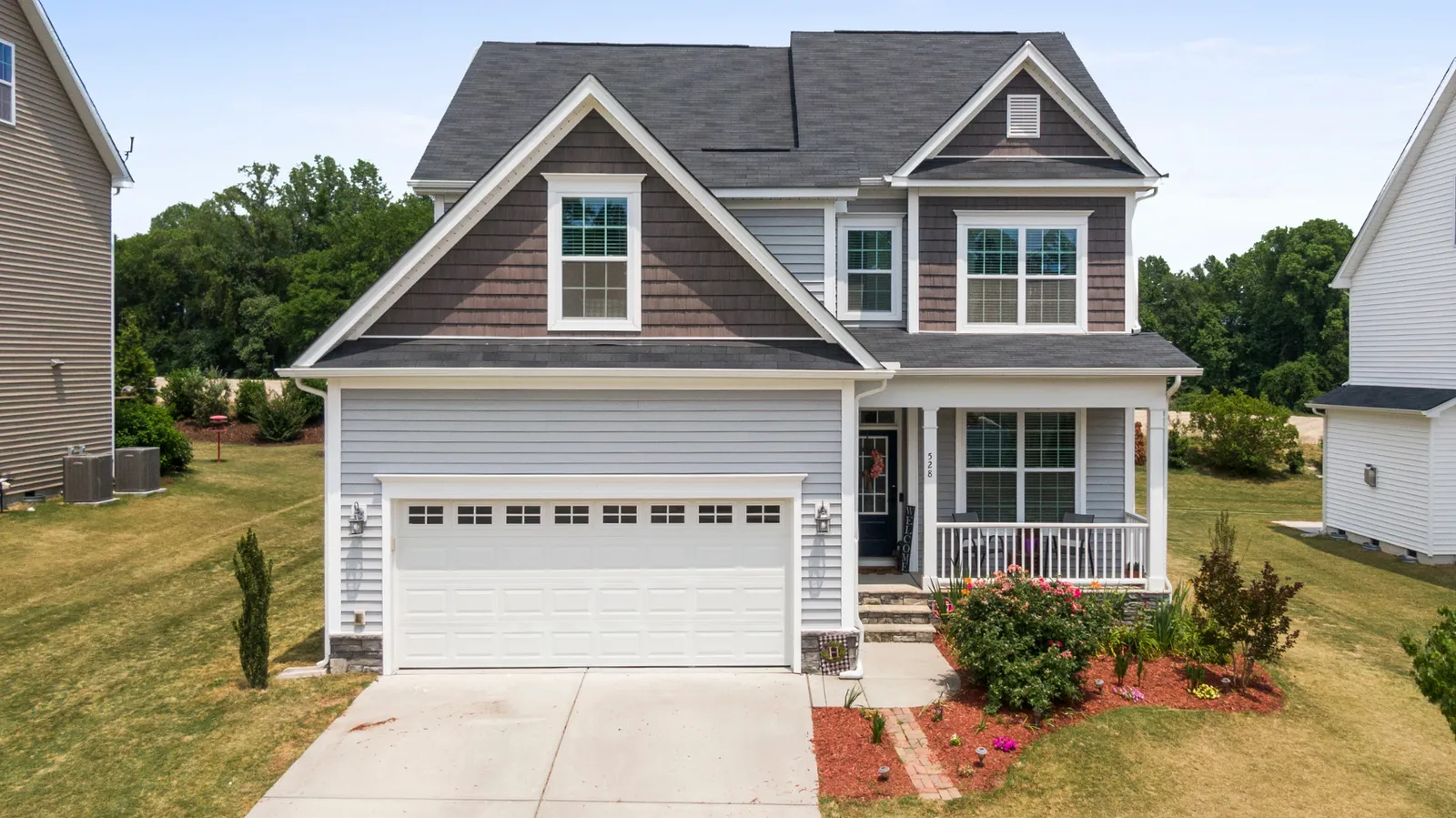
Metal Roofing in Grapevine, TX
Metal roofing gets sold as hail-proof, and nothing is. Wind performance is the real advantage here.
Metal roofing in Grapevine, TX
Metal usually gets sold on hail, and hail is the one thing it is not the answer to. The argument that holds up in Grapevine is wind.
Four times in three years a gust was logged at Grapevine itself, the strongest of them at 77 mph, and the open water of Lake Grapevine sits immediately north with nothing much in the way between it and the roofs on this side of town. The dated rows are on the hail and storm record.
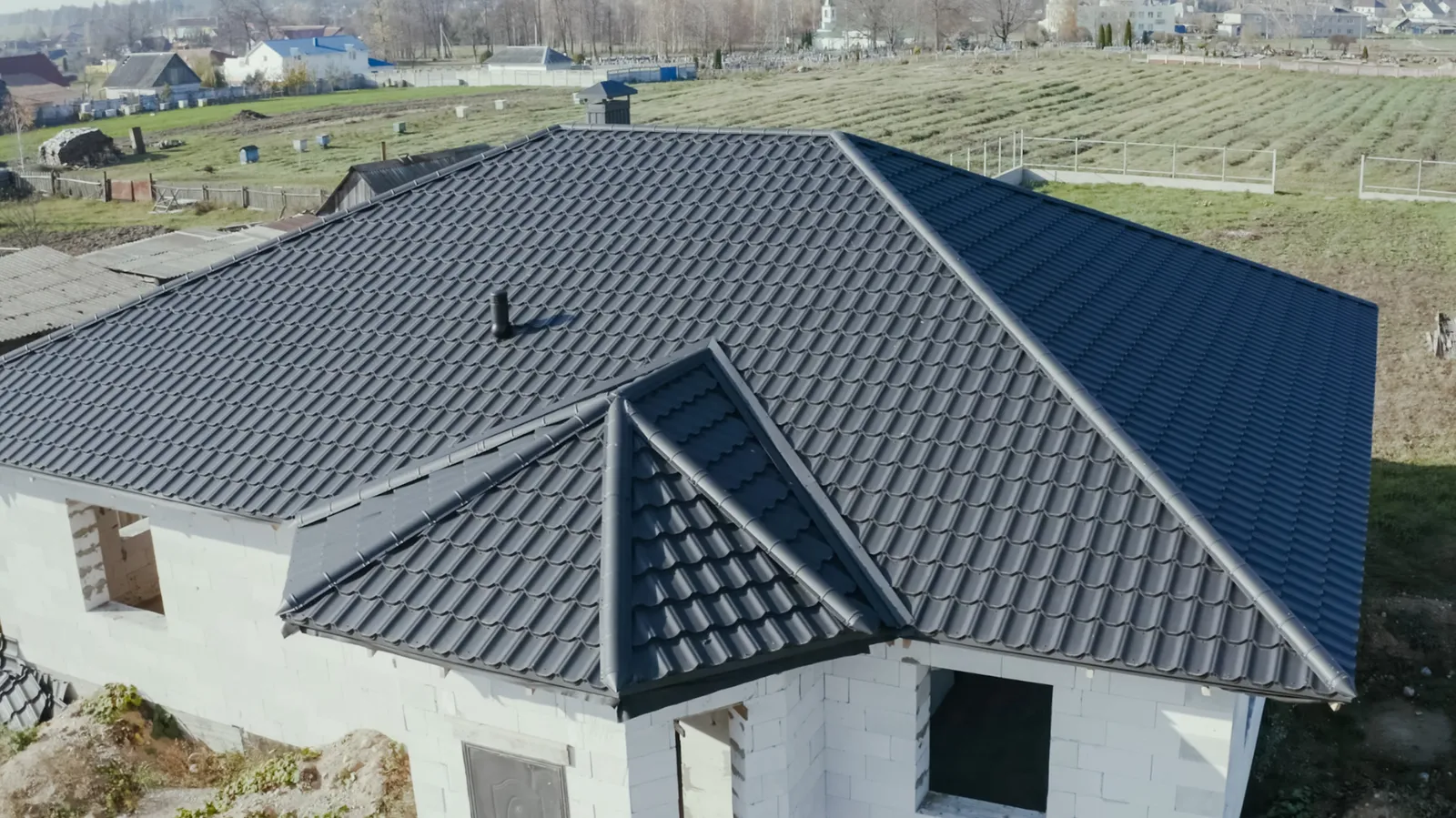
What a metal roof job includes
Metal quotes differ in the parts nobody can see from the ground. These are the ones to compare.
Two pieces of paper come out of a metal job, from two different places. The manufacturer stands behind the panel and its finish on its own terms; the roofer stands behind the installation on terms the roofer sets. Get both before the metal is ordered, because panels are cut to your measurements and an order is not something you undo. Roof warranties sets out what each one does.
A deck flat enough for panels
Panels show whatever sits under them. Metal has almost no give compared to shingles.
Underlayment rated for the heat
The sheet under metal has to live with a surface that runs far hotter than shingle through a North Texas summer. That heat-rated layer keeps doing its job long after ordinary felt would have softened and slid on a hot roof deck.
Profile, gauge and finish
Gauge is the thickness of the steel. Buying on price alone usually means a thinner gauge and a bargain coating.
Hidden clips or screws through the face
Standing seam panels hang on clips that let the metal grow and shrink with the temperature, while an exposed-fastener panel is screwed through its face and seals with a washer that ages. Clips do the job on a long, unbroken run of panel, while screws through the face hold up fine on a smaller section where there's less movement to fight.
Trim at every edge
Eave, rake, ridge and valley trim is cut and folded on site to your roof rather than bought by the length. Trim that's loose or bought off the shelf instead of fitted becomes the one edge a strong gust can grab first to peel the panel back.
Flashing at walls and pipes
Where metal meets a chimney, a wall or a plumbing vent the detail is fabricated rather than taken off a shelf. Mismatched boots or flashing pieces are usually visible as a rubber patch or caulk bead sitting awkwardly against the metal, rather than blending into the panel line.
How a metal roof goes on in Grapevine
Most of a metal job happens before a panel arrives. It is measured first, then made to fit.
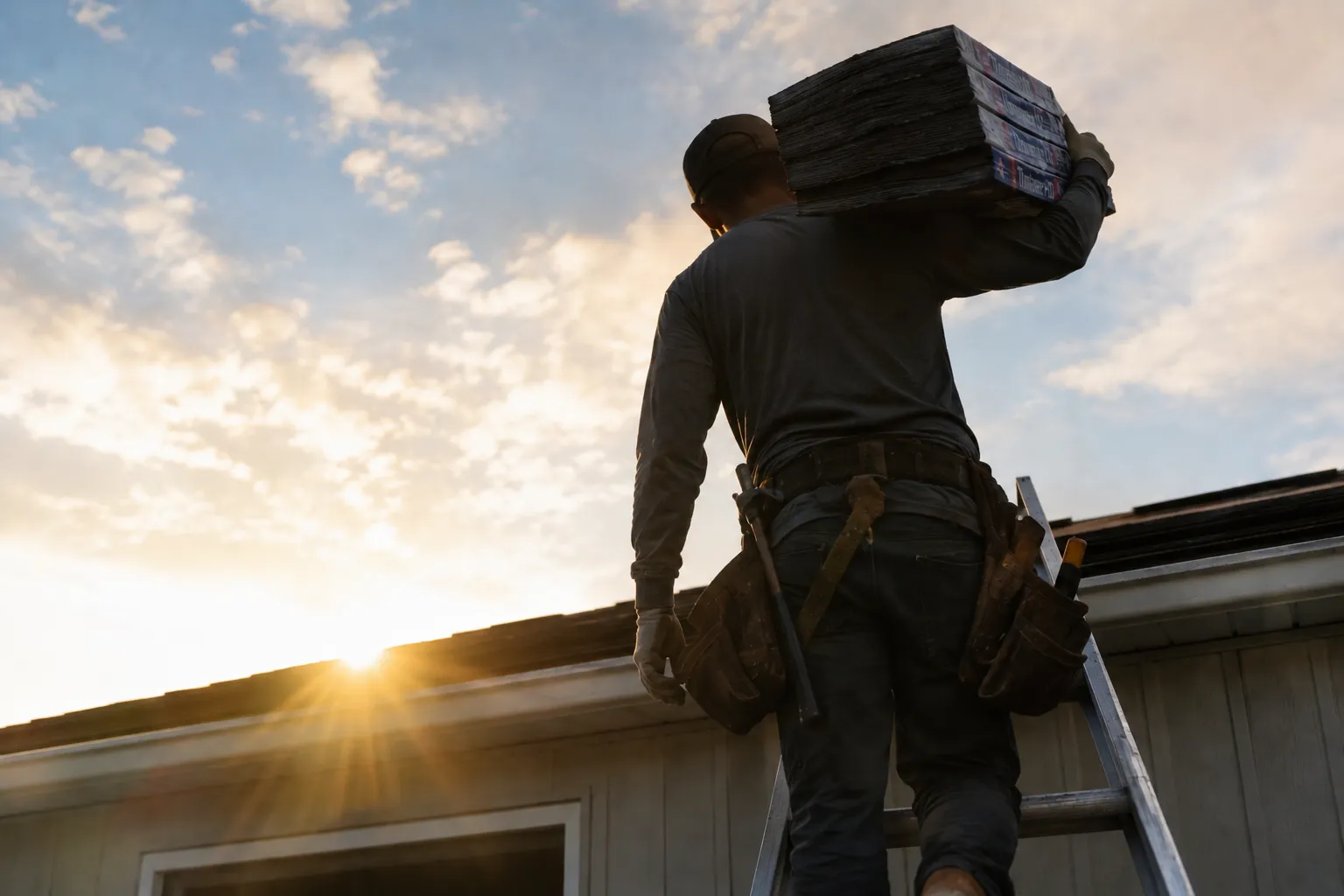
Measure and detail the roof
Every plane, edge and pipe measured, because panels are cut to order.
Strip it and check the plane
Old covering off, soft sheets replaced, the deck checked for flatness.
Heat-rated sheet over the deck
The high-temperature underlayment covers everything before any metal is set.
Panels, clips and trim
Panels clipped from one edge, trim locked, offcuts and screws swept up.
Standing seam and the other metal profiles
Metal is not one product. The profiles differ in how they are held down and how they age.
Standing seam
Flat panels run ridge to eave and lock to each other along a raised, folded seam, with the clips that hold them down tucked underneath. Nothing fixing the roof down is left out in the weather, and this is the profile most people mean by a metal roof.
Exposed-fastener panel
Ribbed sheets fixed down through the metal with rubber-washered screws, common on outbuildings and the cheaper way into a metal roof. The washers age and the screws want looking at as the roof gets older, which is the trade for the lower price.
Metal shingles and tiles
Pressed metal in shingle, shake or tile shapes, laid in rows instead of long vertical runs. They suit a house whose lines would not carry a full-length panel, and they interlock rather than seaming.
Aluminum and the rest
Most residential metal here is coated steel. Aluminum costs more and will not corrode, copper and zinc sit well past that as architectural choices, and on a Grapevine house steel is nearly always the sensible answer.
What suits your house comes down to the pitch, how much of the roof the street sees, and how long you plan to be there. If asphalt is the better answer, it should be said out loud: the shingle guide compares those grades and asphalt shingle roofing covers what a good shingle install involves.
What you get in writing on a metal roof
Metal is cut to your measurements and cannot go back, so everything gets settled first.
Panel and trim are priced apart
The metal is a smaller share of the total than most people expect, and the fabrication and the labor are the job. Splitting them is how two metal quotes become comparable at all.
The attachment method is named
A quote says whether the panels sit on hidden clips or are screwed through the face, because that decides the upkeep you inherit. Two metal prices can be far apart for that reason alone.
The asphalt number comes with it
The same roof is priced in architectural asphalt alongside the metal, so the comparison is your own house instead of a chart. If the cheaper covering is the better answer for you, it is sitting right there on the page.
What drives a metal roof price in Grapevine
Metal costs more to put on than asphalt and is built to outlast two or three asphalt roofs, so the comparison worth doing is cost per year of service rather than cost on the day. That only pays if you are in the house long enough to collect it, so the first thing to settle is how long you plan to stay.
Price it in metal and in asphalt- Profile: standing seam against an exposed-fastener panel
- Gauge, meaning the thickness of the steel, and the finish on it
- How many hips, valleys and dormers need trim cut on site
- Every pipe and vent, since each one becomes a fabricated detail
- Whether the deck has to be re-sheeted to sit flat under panels
- How long you plan to own the house, which decides the comparison
A metal roof is priced off a measured roof, plane by plane, because the panels are cut to those measurements and no chart predicts them. Ask for the panel and the trim as separate lines, and ask what the same roof comes to in architectural asphalt.
What a metal roof looks like on a Grapevine home
Photographs chosen to show the profiles. Look at how the seams run and how the edges are finished.
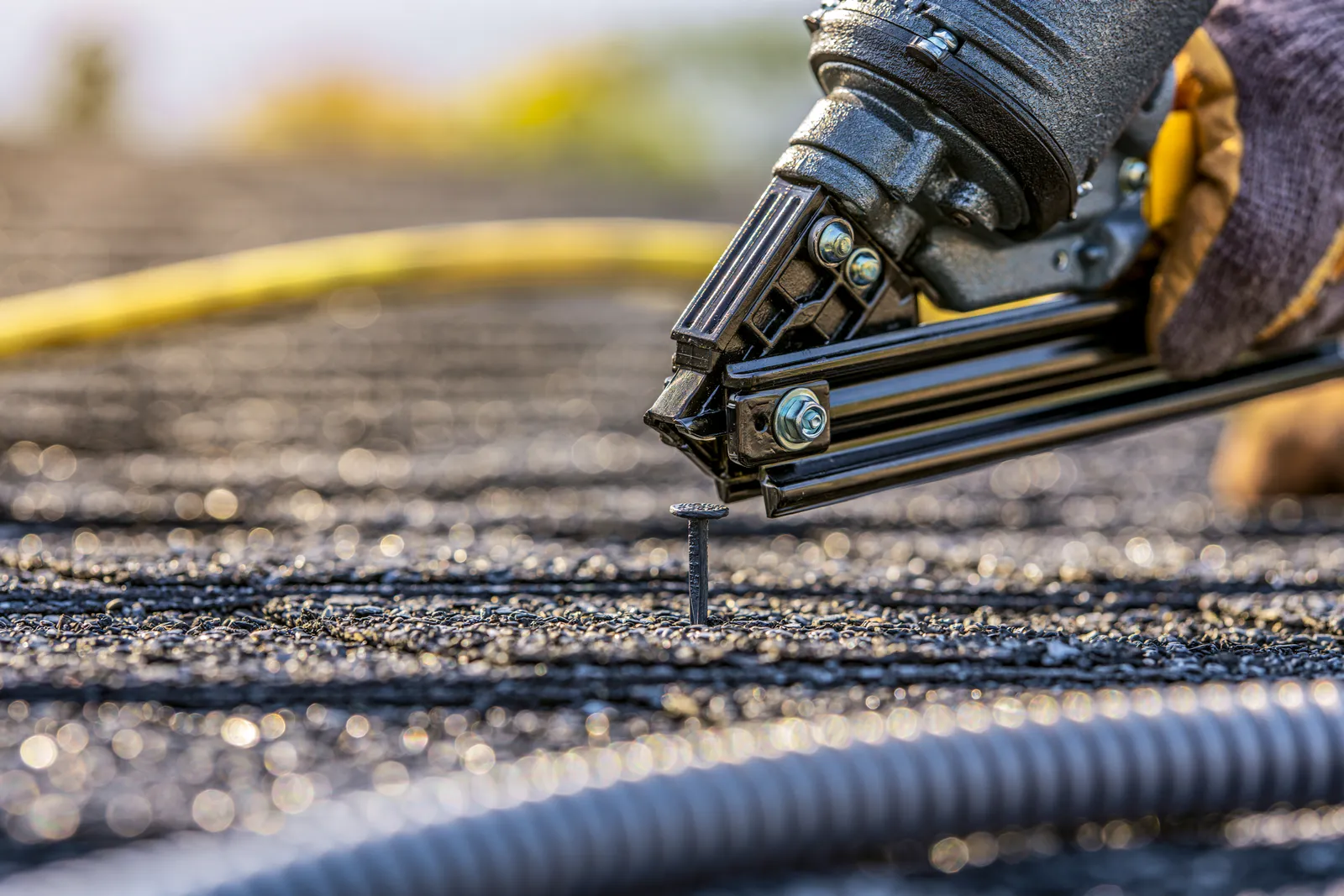
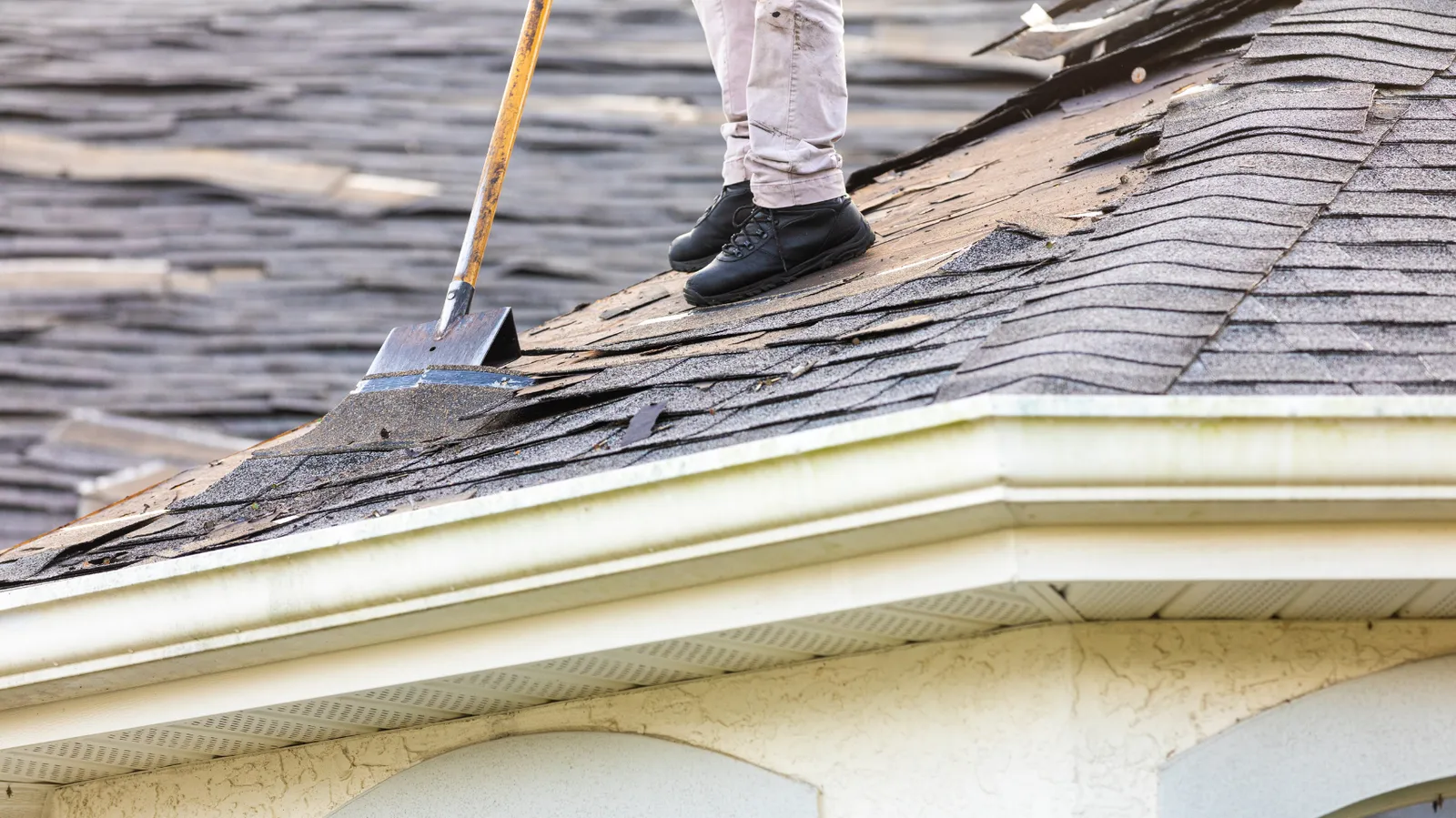
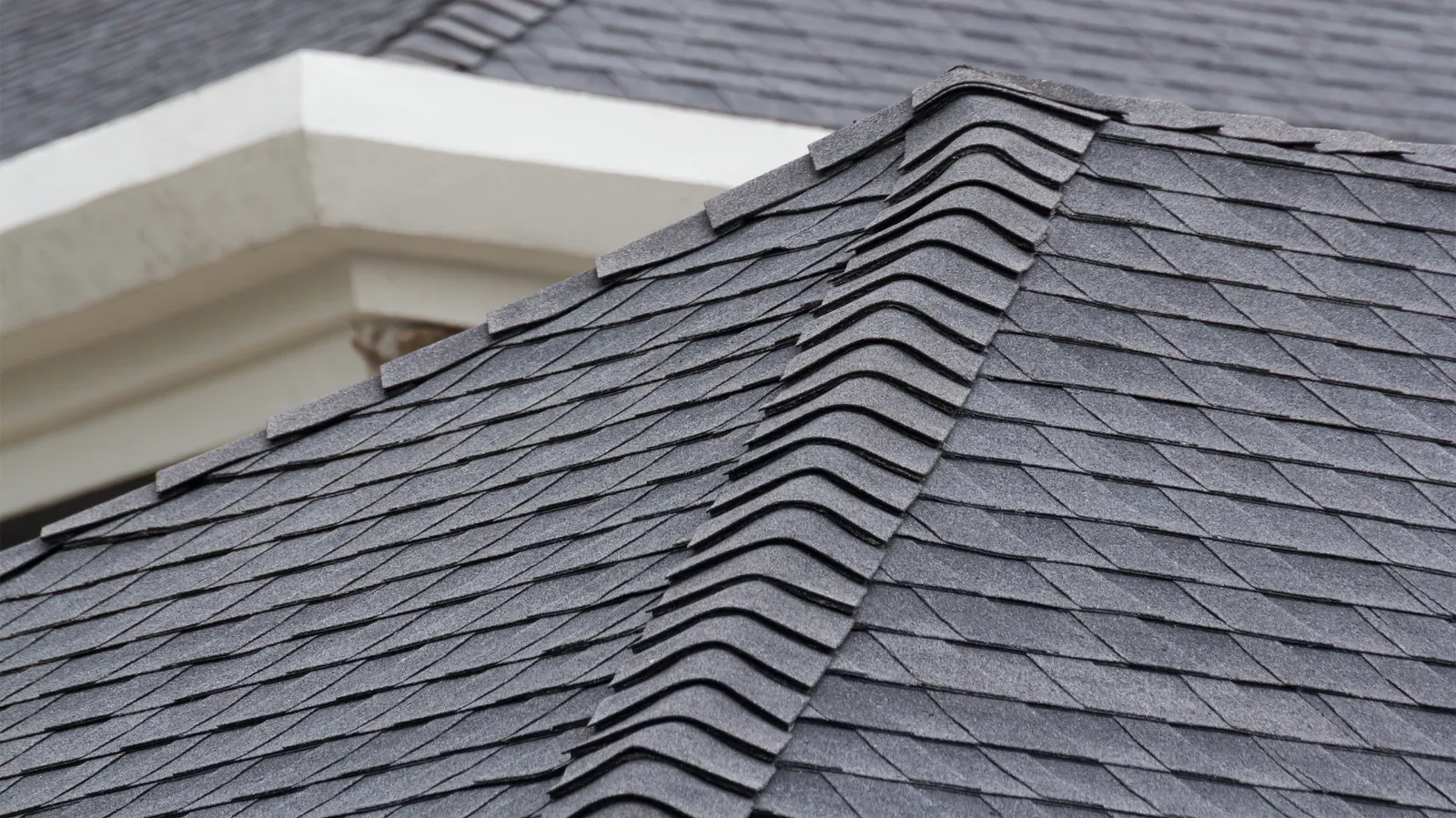
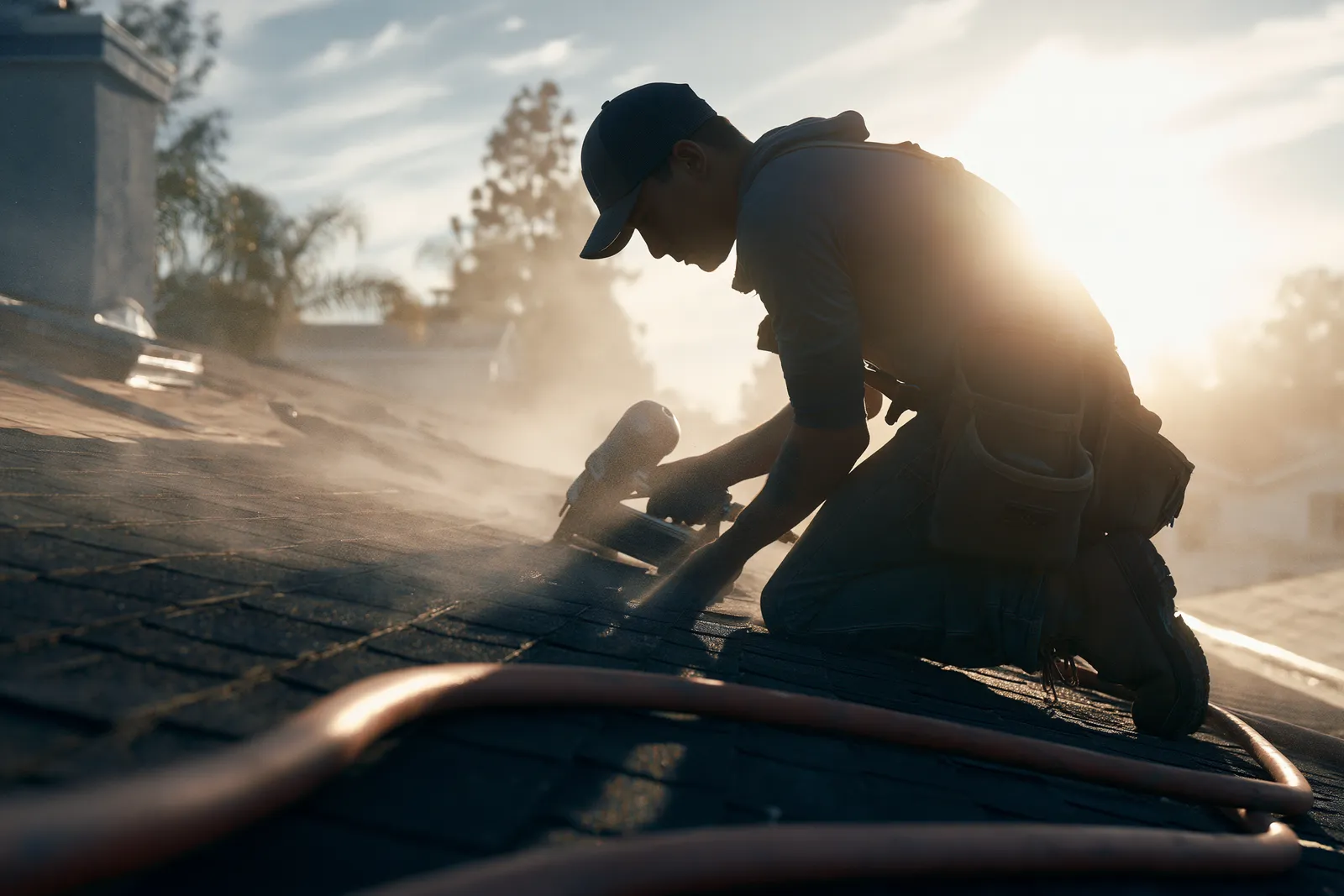
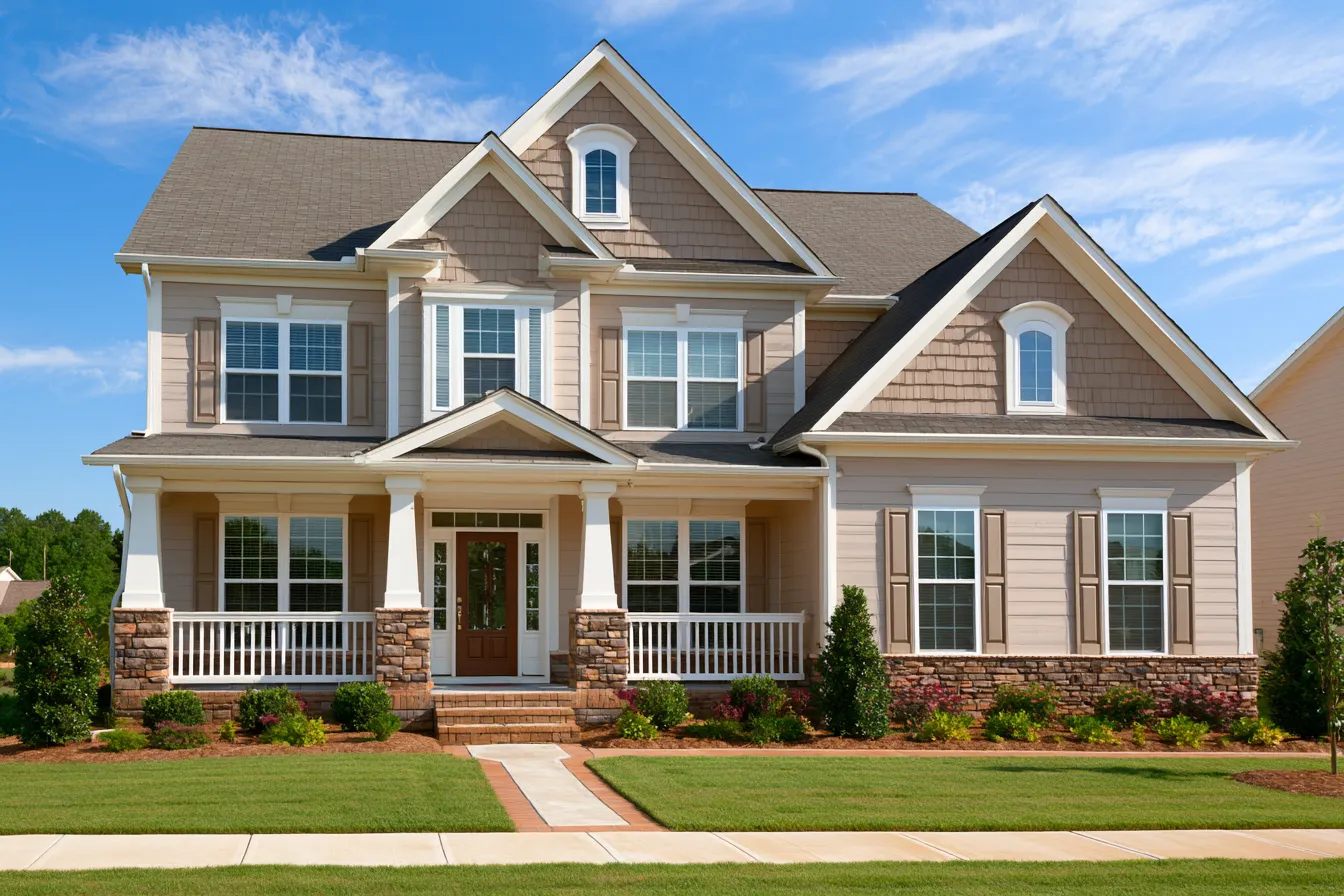
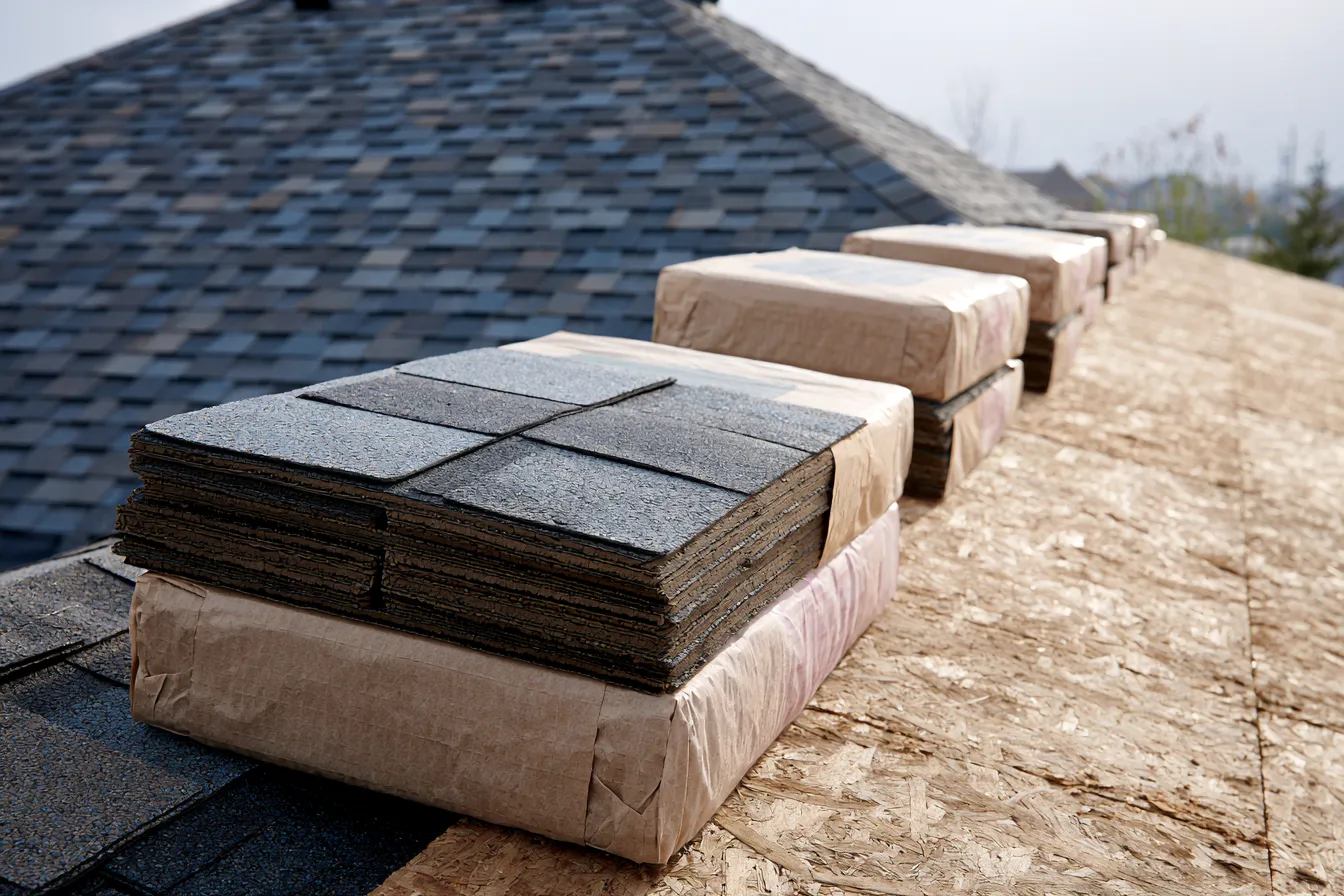
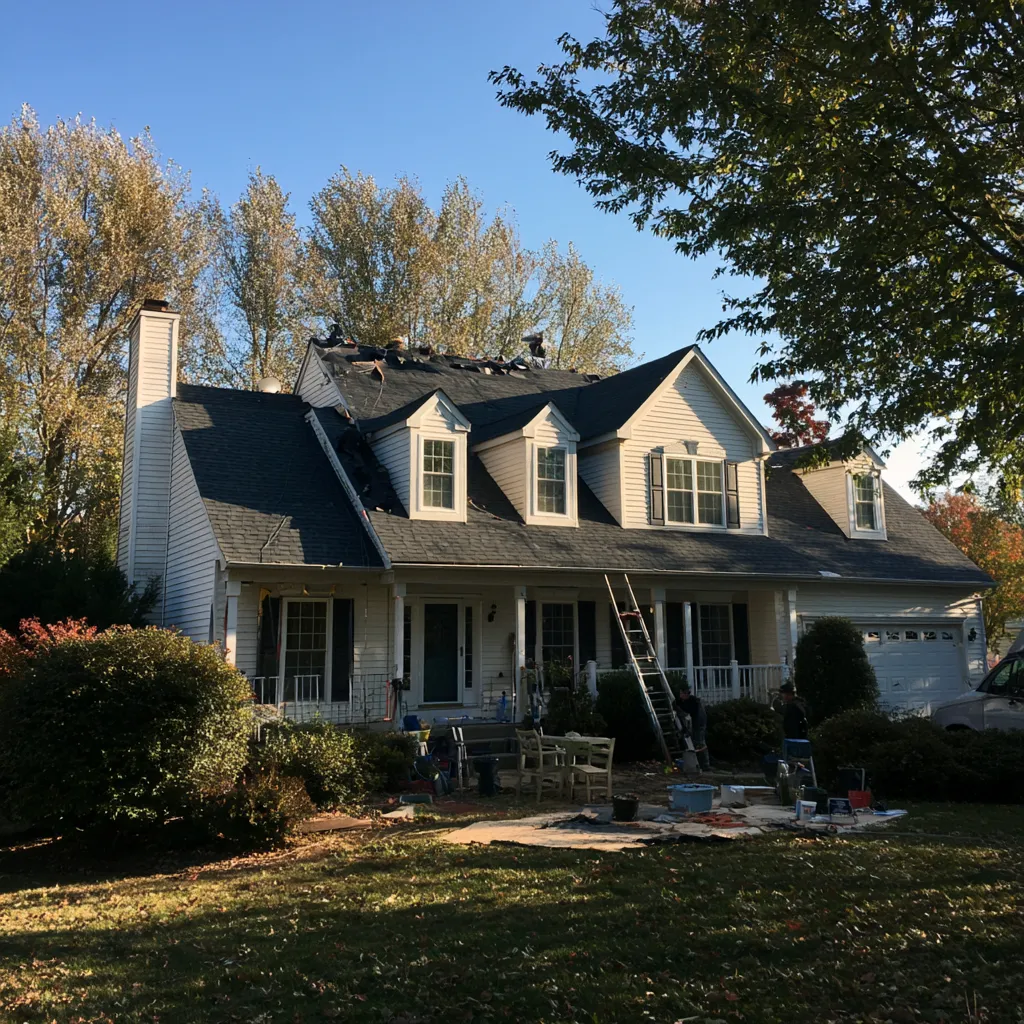
Photos are representative of the roofing work.
Metal roof questions Grapevine homeowners ask
The noise worry comes from a barn roof with nothing under it. Denting and the HOA matter more than sound.
Get a metal roof priced for your house
Send the address, the age of what is up there now, and how long you expect to stay. A local roofer measures the roof plane by plane, and the quote names the panel and the trim separately with the same roof priced in architectural asphalt beside it.
Call today(817) 442-2362