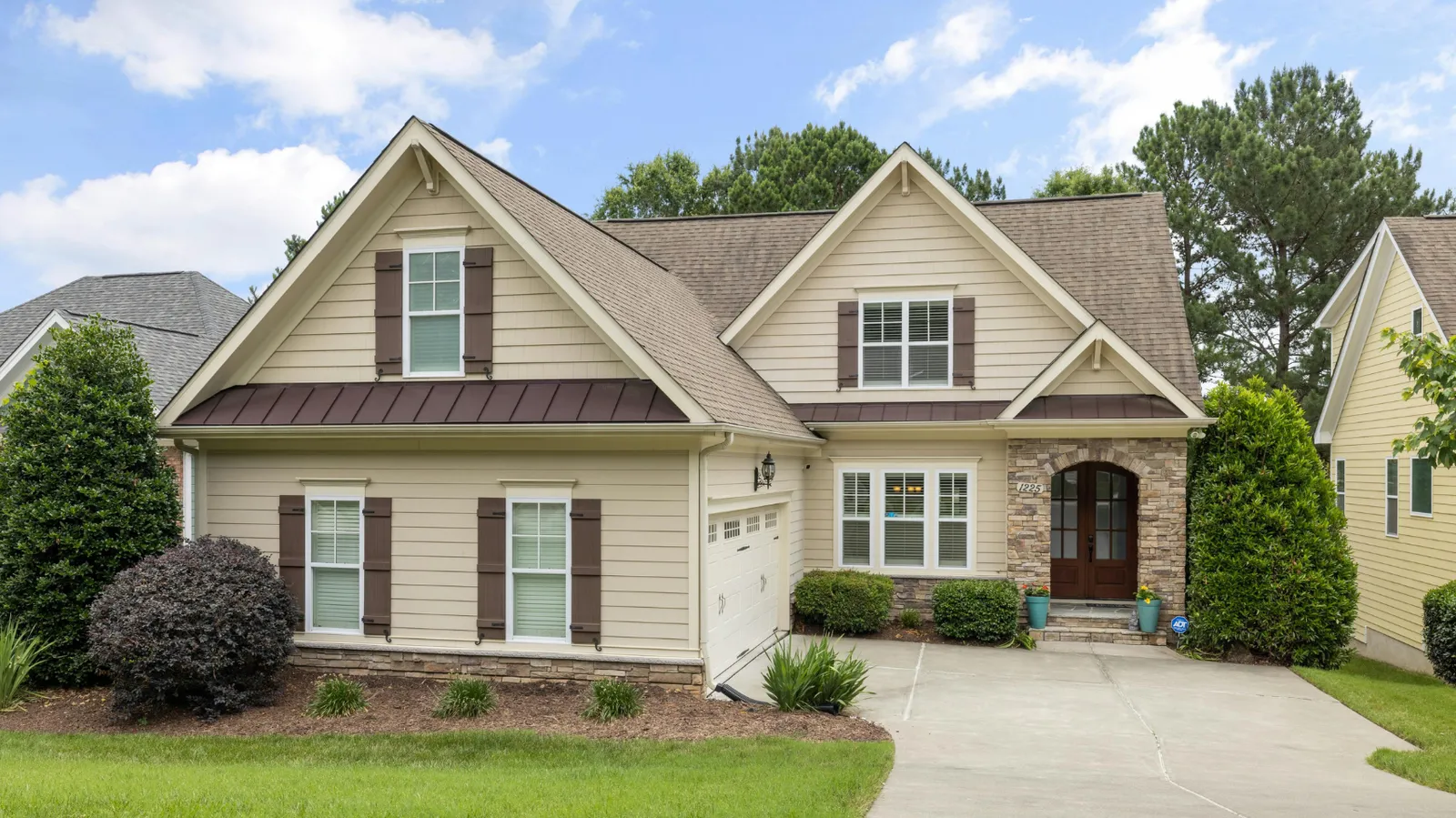
Roof Leak Repair in Grapevine, TX
The wet spot rarely sits above the roof leak. Where the water shows is where the repair starts.
Roof leak repair in Grapevine, TX
Water coming in now is a ground-level job for you, not a roof job. Pull rugs and furniture back, set something under the drip that will hold a few gallons, and photograph the room before you dry any of it. Keep off the roof, and keep out from under a ceiling that has started to bulge, because the bulge is water.
Then the roof. Water enters at a seam, runs down the underside of the wood deck, follows the first rafter it comes to, and leaves the wood wherever something interrupts it, which is often well away from where it got in. So the wet spot tells a roofer that there is a leak and very little about where it started.
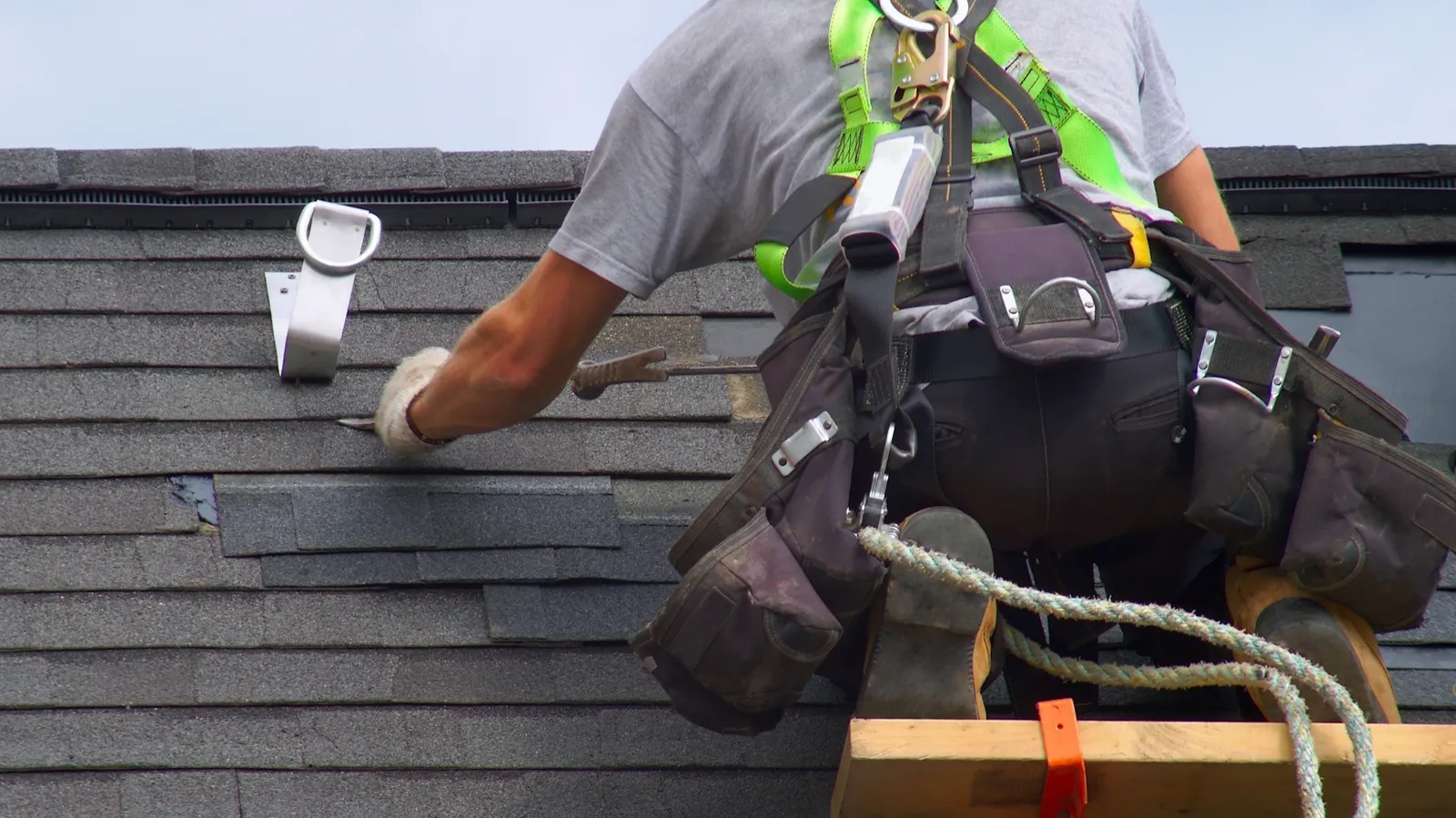
What leak repair covers on a Grapevine roof
Leak work is two jobs, finding it and fixing it, and both show up on the estimate. Miss the finding half and the fix goes in the wrong spot, so the stain comes back in a few months looking for a different repair.
More than one leak at a time is common on an older roof, and each one gets found on its own. If it turns out the roof is failing in several places at once, that is a replacement conversation, and you should hear it as one instead of being sold three patches.
Tracing the water back to where it enters
The roofer works uphill from the stain, checking every seam, vent and joint above it, sometimes running water over the roof in sections until the drip starts again. From inside, that shows up as someone moving section by section overhead while a second person watches the ceiling for the exact minute the drip returns.
Opening the suspect area
Shingles come off around the failure so the sheet layer under them and the wood deck below that are both visible. Water moves sideways once it gets under a shingle, so the spot where it shows up inside is rarely the spot where it got in.
Rebuilding the joint that failed
New metal goes back in layers, each piece lapping the one under it. Once it's lapped that way, water runs down and off the joint on its own.
The wet wood and the wet insulation
Soaked decking gets checked for softness and swapped where it will not hold a nail. Closing the ceiling back up over wet insulation is faster and it's also how a small leak turns into a mold problem nobody notices until the smell does.
Running water over it before anyone leaves
The repaired area gets wet on purpose to see whether the drip comes back while the roofer is still there to do something about it. That test matters most on a leak that only showed up once or twice, where drying out on its own would otherwise make the repair look done when it isn't.
Where roof leaks show up inside the house
Inside the house, a leak shows up in a handful of predictable places. None of them is the leak.
- A brown ring whose edge is darker than its middle.
- A stain a foot or two down a wall, below the ceiling line.
- One small patch of paint or tape lifting upstairs.
- A musty smell in an upstairs closet with nothing wet in sight.
- A dark streak on the wood above you when you look into the attic.
- A drip that shows up only when the rain has wind behind it.
Any of these is worth reporting and none of them is a location.
How roof leak repair goes, from tracing to patching
Until the entry is found, sealing is guesswork. Tracing runs uphill from the stain, through the attic, onto the roof.
You report it
Which room, which wall, and what the weather was doing that day.
Inside before outside
A flashlight in the attic finds the streak and follows it uphill.
The area comes open
Shingles and metal off around the failure until the entry shows.
Rebuilt, then tested with water
The joint goes back in layers, then a hose proves it.
What the roofer shows you about the leak
A photograph of the stain proves nothing. The picture worth having is the one from up at the entry.
The entry, photographed where it is
What comes back to you is a picture of the failure itself, taken where the water goes in, not a picture of your ceiling. If two details could both be causing it, you see both of them.
Priced after it is found
A leak gets a number once the roofer knows what failed, because before that the number would be a guess. What the estimate names is what gets fixed.
Tested with water, not assumed
The repaired area gets soaked on purpose and watched from inside. Without that, nobody knows whether the fix worked until the next storm arrives.
What drives a roof leak repair price in Grapevine
Finding the leak is part of the job, and it is the part that varies. One leak shows itself in ten minutes. The next takes an afternoon of running water over sections of roof and watching from the attic, and that time is real work.
Get this leak traced- Diagnosis time: some leaks are obvious and some hide behind two possible sources
- Which detail failed, since a split rubber collar around a vent pipe is a small job and a chimney joint is not
- What the opened-up area turns out to be hiding, from soft wood to a second failure beside the first
- Height and steepness, because a steep second-story slope is slower and carries fall protection with it
- Whether the ceiling and the insulation inside still need work after the roof side is done
That list is not a price. The number comes after the leak has been found, because until then nobody knows which of these your roof will need.
Leak questions Grapevine homeowners ask
A leak enters high and lands somewhere else, so the stain misleads. Leave the tarping to somebody with proper anchors.
Get an active leak looked at
A leak call to Grapevine Roofworks needs three things from you: which room, which wall, and whether water is coming in right now. A local roofer traces it before putting a price on it, and if it turns out to be one cracked vent collar, that is what the estimate says.
Call today(817) 442-2362