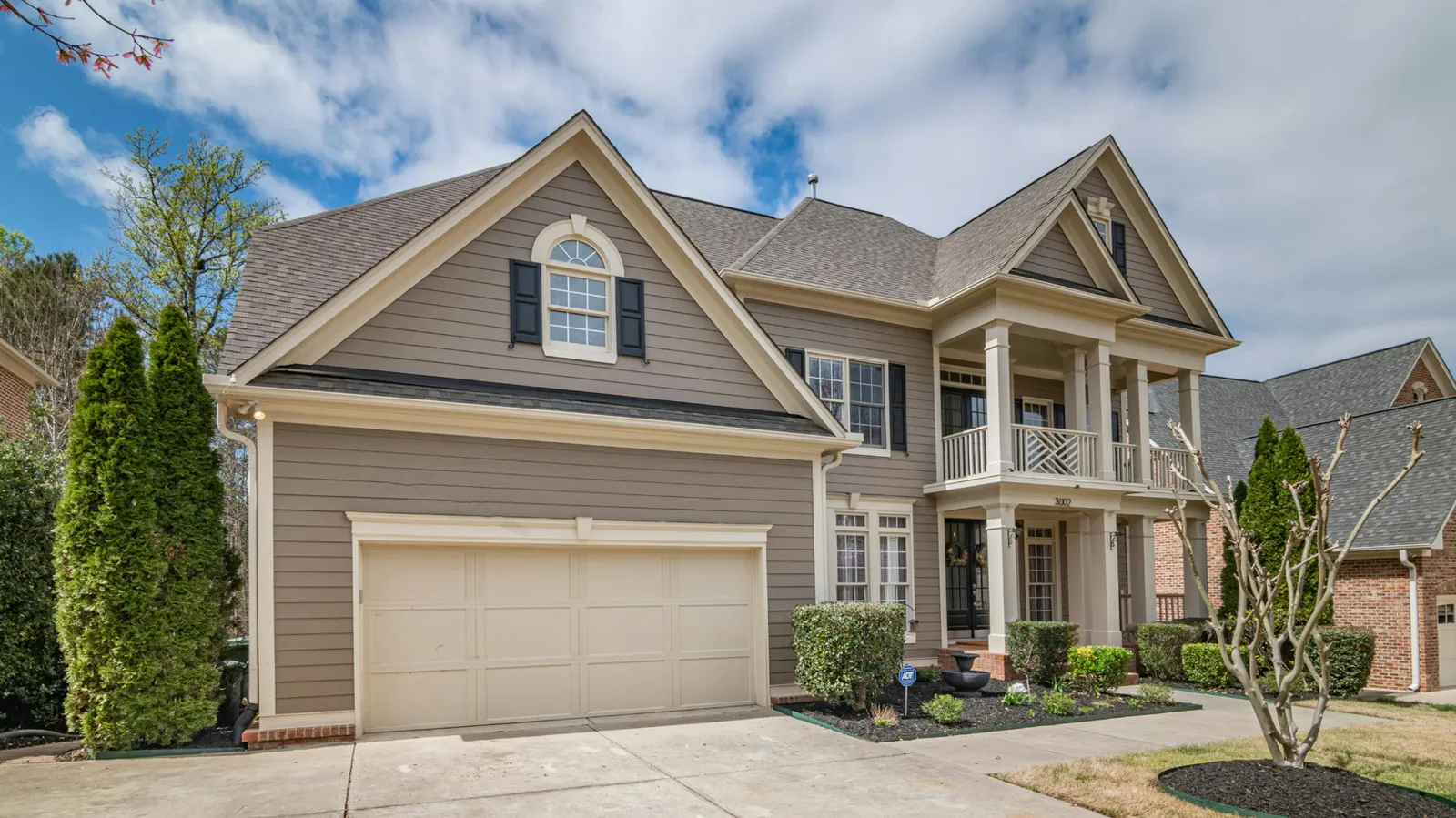
Roof Replacement in Grapevine, TX
Another repair might help, or your roof may need a full replacement. Ask for a free inspection, nothing to decide now.
Roof replacement in Grapevine, TX
Most people arrive at this decision after paying for two or three repairs, when the next one starts to feel like money thrown at a roof that is already finished. That suspicion is usually worth taking seriously. But it works both ways: a covering that is otherwise sound, with just one traceable failure, still calls for a repair, and an honest roofer says so.
The condition of the covering is what settles it. A local roofer walks every plane, checks it from the attic side, and looks at what is on the deck. If that turns up one fixable failure, a roof repair is the cheaper and the correct answer, and the estimate should say so.
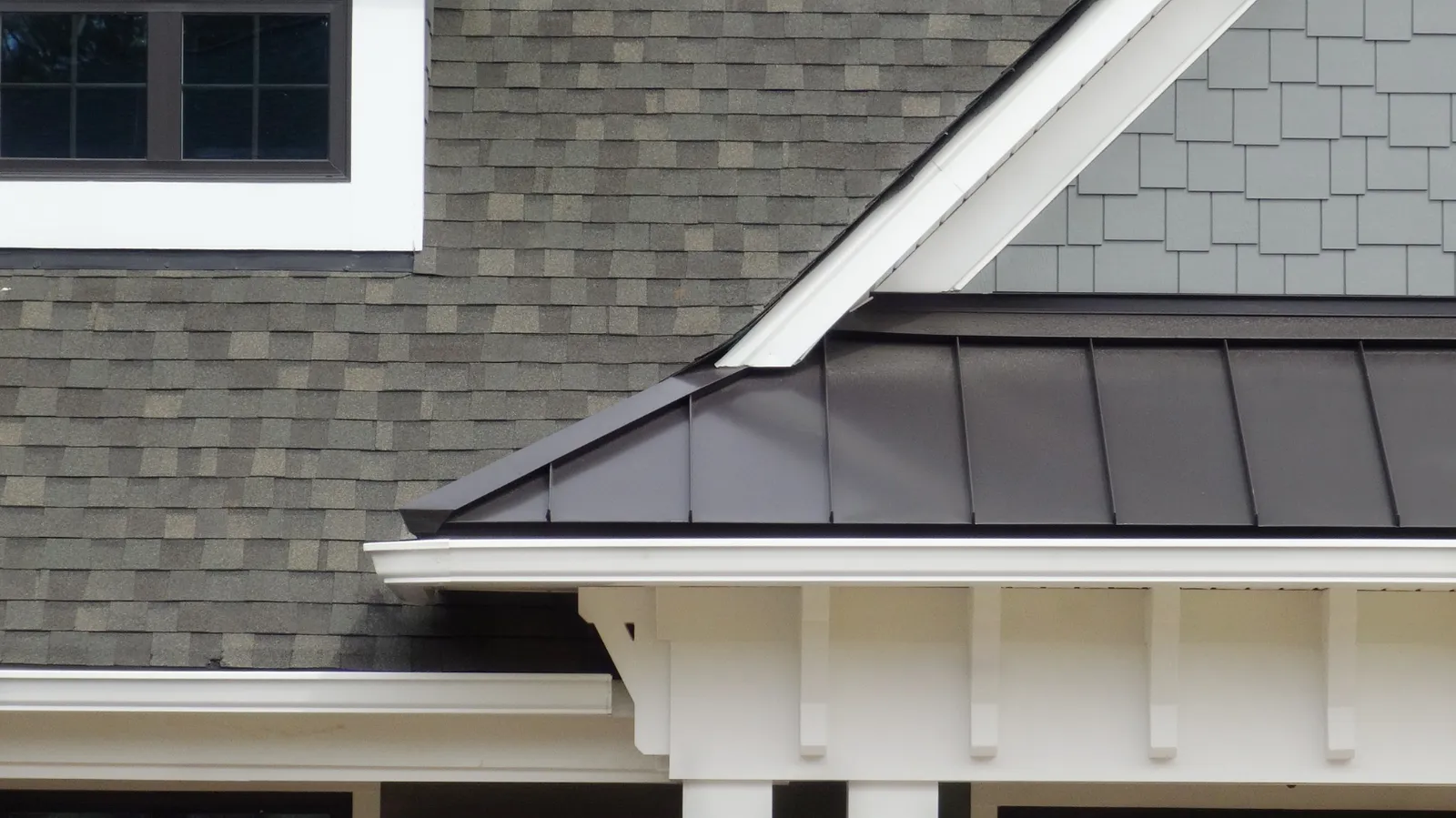
What a full roof replacement includes, line by line
These are the line items a replacement is actually made of. A quote that names them can be set beside another quote and compared.
Tear-off to bare wood
Shingles, underlayment, flashing and nails, off from the peak down.
The decking inspected
A roofer checks every sheet and replaces anything soft.
Drip edge at the edges
Metal at the edges so water runs off, not back underneath.
Sealing membrane where water collects
A self-adhering sheet in the valleys and around every pipe and vent.
Underlayment across the deck
The water-resistant layer that holds when wind drives rain sideways.
New flashing at the joints
Walls, chimneys, valleys and pipes, where most leaks begin.
Ventilation put back in balance
Air in low, out at the peak, or attic heat cooks the shingles.
Haul-off and a magnet sweep
The old roof leaves, and a magnet goes over drive and lawn.
What tells you the roof is past repair
None of these settles it alone, and every one of them can be checked without getting on a ladder.
- Grit from the shingle surface washing into the gutters and piling up at the downspout, with darker patches on the slopes where it came from
- Three leaks in three different rooms inside a couple of seasons.
- A sag or a wave in the roofline that you can pick out standing across the street
- Curled corners, cracked edges or lifted tabs showing on more than one slope
- Two layers of shingles already up there.
- Valleys worn thin where two slopes drain into each other, on a roof already well into its years
One of these on its own is a reason to have somebody look.
How a roof replacement goes in Grapevine
The first two stages decide everything expensive. The last two are the ones you can stand and watch.
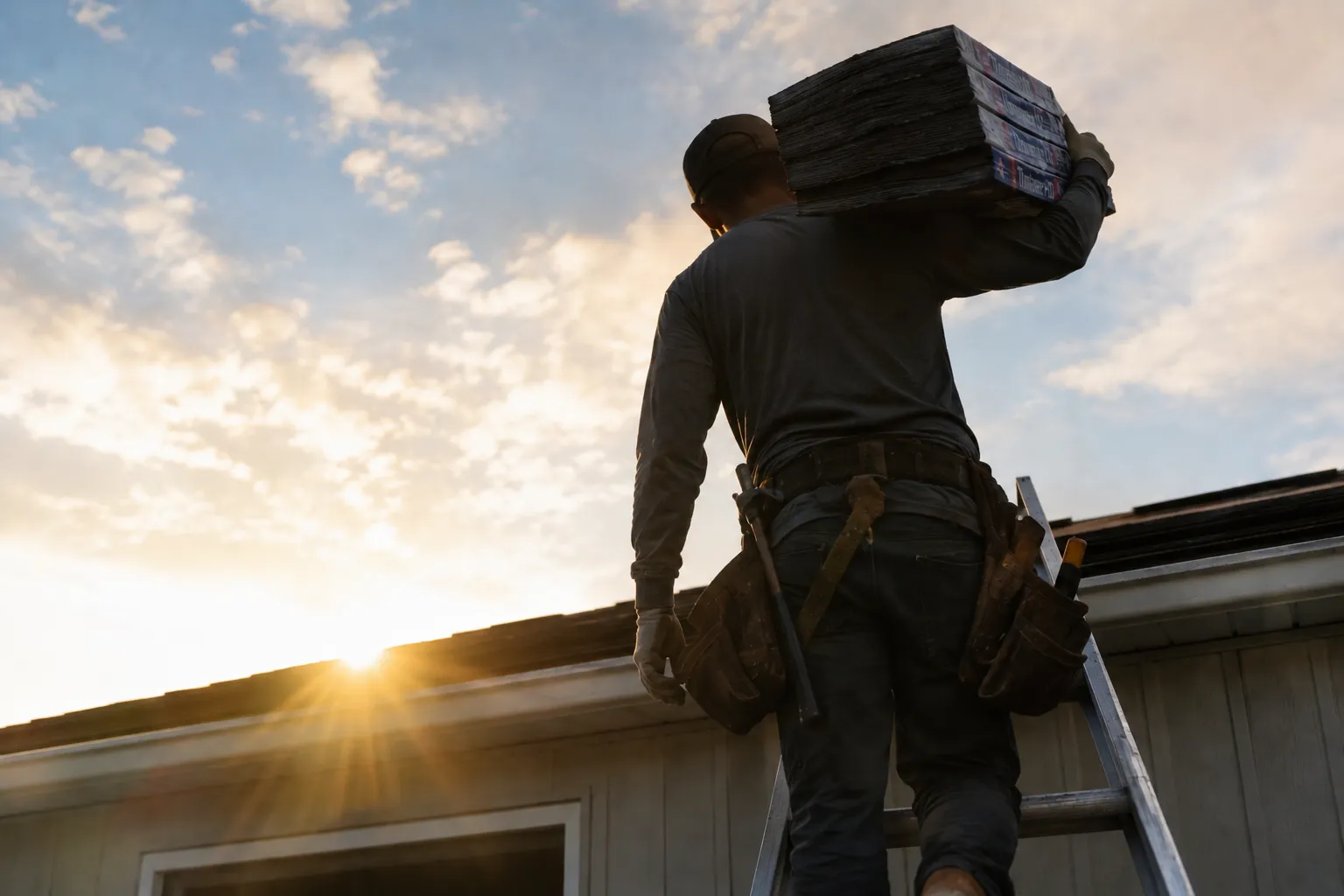
Measure and inspect
A roofer measures every plane, counts the layers and vents, and checks the roof from inside the attic.
Agree what is included
Materials, ventilation, code items and what to leave alone, written down with the price attached.
Strip it to the wood
Landscaping and siding get covered, the old roof comes off, and any soft decking turns up at that point. Ask to be shown it before it is replaced.
Rebuild, then clean up
Underlayment, flashing, shingles and ridge cap in that order, then the debris hauled off and the ground swept.
The materials a replacement can use
Two separate questions get mixed together here: what the shingle looks like, and how it handles hail. They are rated on different scales.
Architectural asphalt
Laminated shingles built up from more than one layer, thicker and heavier than the old flat kind, and what most roofs in this town go back on.
Three-tab asphalt
The single-layer shingle that covered plenty of 1990s houses here. It buys in cheaper, weighs less, and shows its age sooner.
Designer shingles
Thick profiles cut to imitate slate or wood shake. They sit at the top of the asphalt range and they price that way.
Impact rating, Class 1 to 4
Hail resistance is scored on its own standard, UL 2218, from Class 1 up to Class 4 with Class 4 the toughest. Ask about it separately from the profile.
Standing-seam metal
Interlocking panels with the fasteners hidden under the seam. More to install than asphalt and it lasts a good deal longer, so it argues on cost per year rather than on the sticker.
What goes under the shingles
Underlayment, the sealing membrane at the valleys and the flashing metal are all line items with choices that matter, and they affect how long a roof lasts more than the color does.
Profiles and impact ratings are laid out properly in the shingle guide, and the panel systems in metal roofing. What suits your house comes down to the roof itself and to how long you plan to stay in it.
What you get before anyone starts tearing off
A replacement is the one roofing job that cannot be stopped halfway, so the decisions all happen before the first shingle moves.
Every plane measured, not estimated
A roofer measures the actual roof surface up on the roof. A pitched roof always carries more surface than the floor plan underneath it.
Soft decking is shown to you
Plywood that has gone soft or come apart only becomes visible once the old roof is off. Ask for photographs of it, and to be walked out to see it, before any of it is replaced.
Two warranties, two different sources
The materials are covered by whoever made them, on their own terms. The installation is covered by the roofer who put it on, for a length that roofer sets, so ask what it is before the work starts.
What drives a Grapevine roof replacement price
Most of a replacement bill is labor, and the roof itself decides how much labor there is. Roofers measure in squares, which is a hundred square feet of roof surface, and a pitched roof always has more surface than the floor plan under it. Valleys, dormers, skylights and vents are all hand-cut metal, so two houses of the same size can come back with very different numbers.
Start the estimate- The roof surface measured in squares, always more area than the house's square footage below it
- How steep it is, and whether a roofer can walk it or has to set up safety rigging first
- How many old layers come off, and what all of that weighs at the dump
- Decking found soft once the covering is gone, which nothing visible from the ground predicts
- Valleys, dormers, skylights and vents, every one of them hand-fitted metal
- The material you settle on, which moves the total further than anything else on this list
A real number comes from a roofer who has been up on your roof and counted what is there. Any figure quoted before that will move once somebody does go up, so treat the early ones as conversation rather than price.
What a replacement roof looks like
Photos of replacement work in progress, shown for illustration. The finished roof covers most of it back up again.
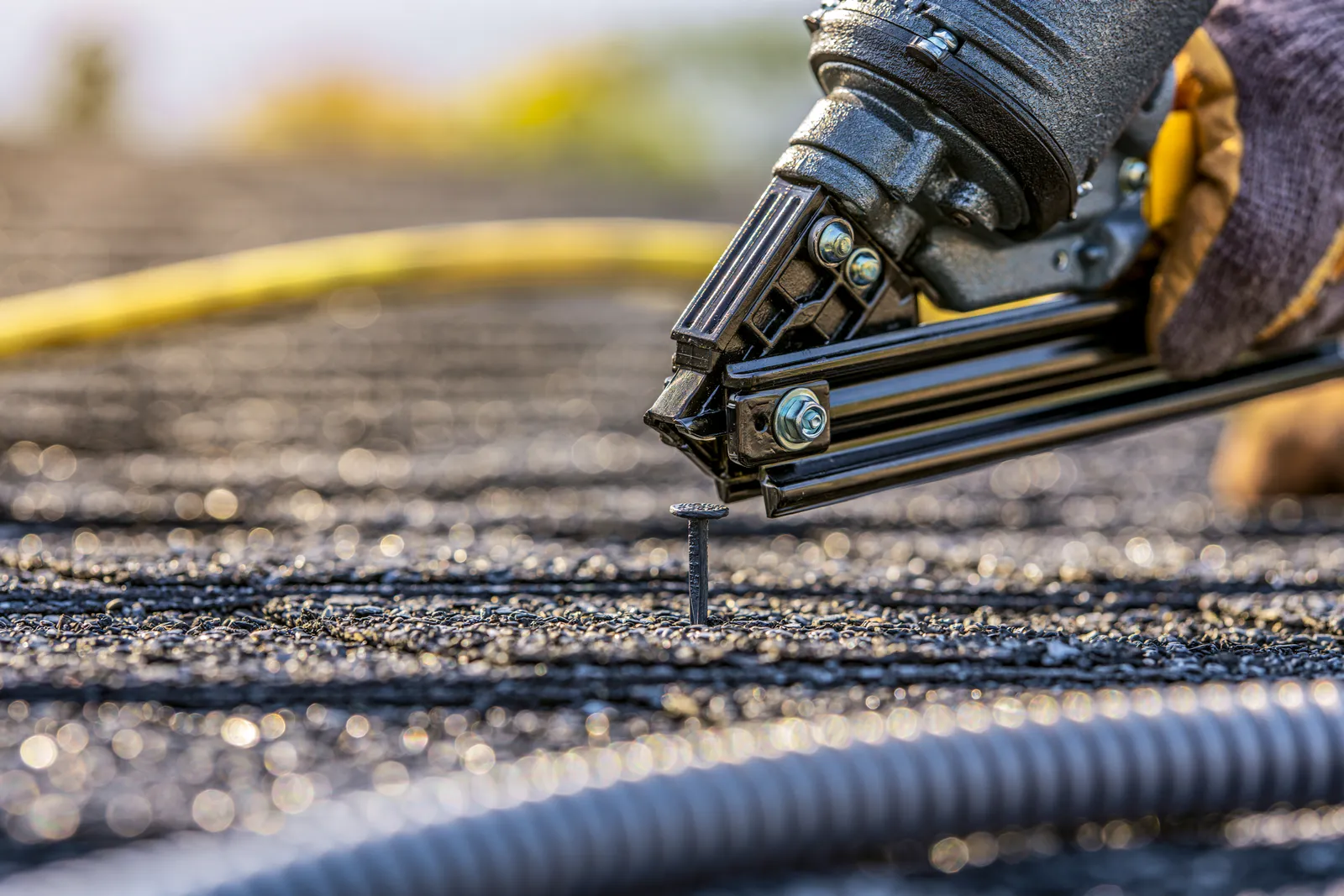
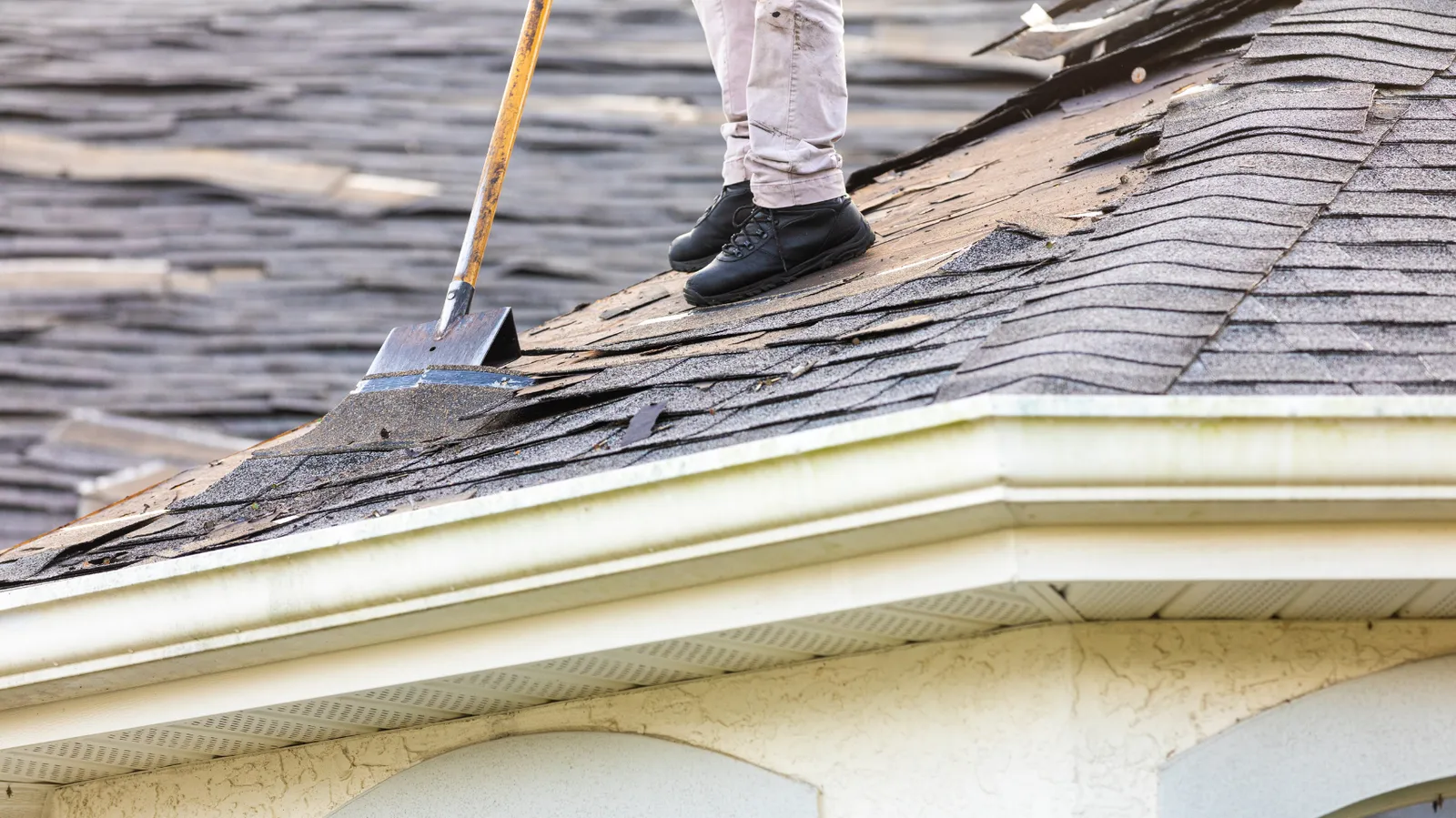
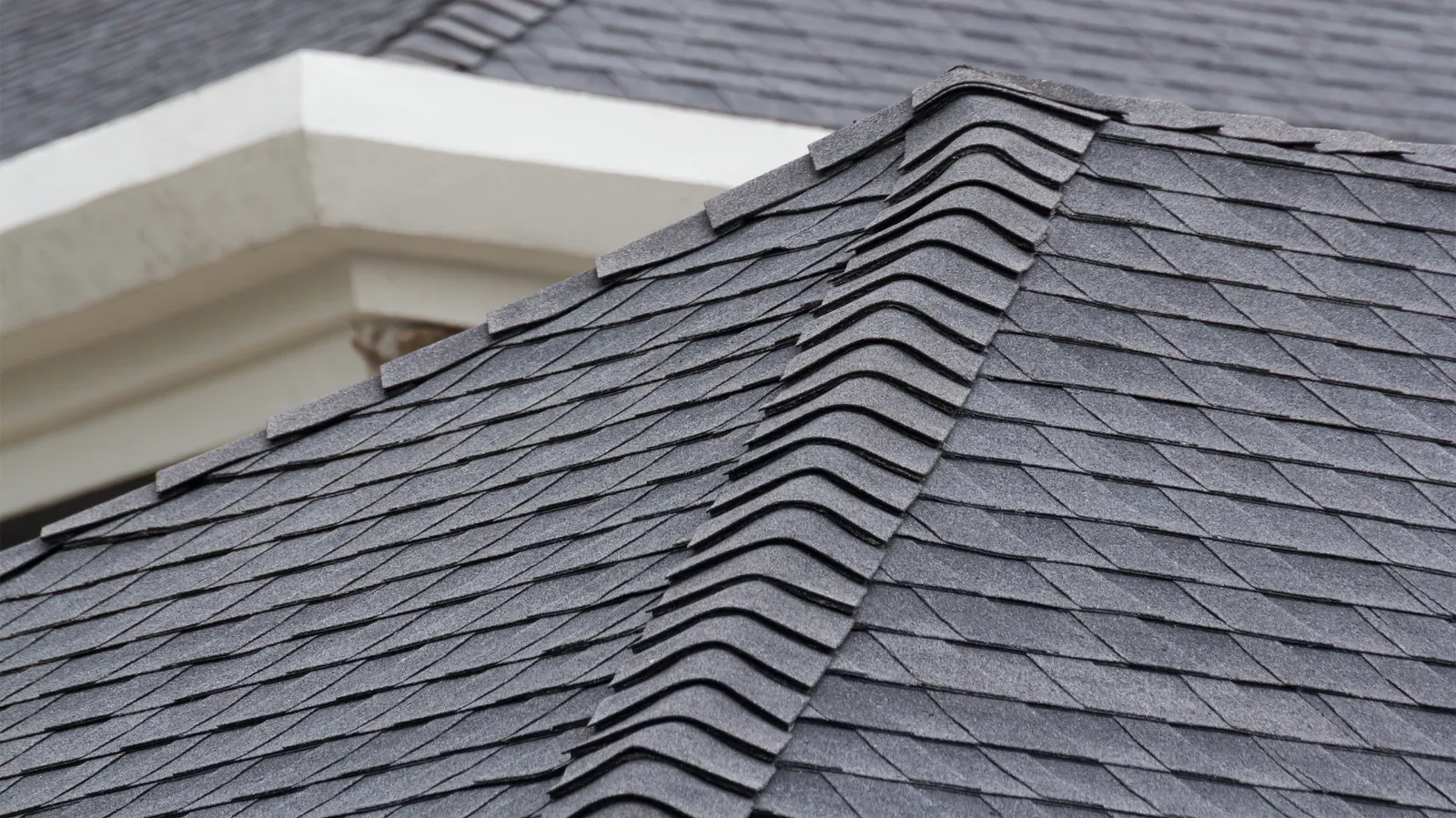
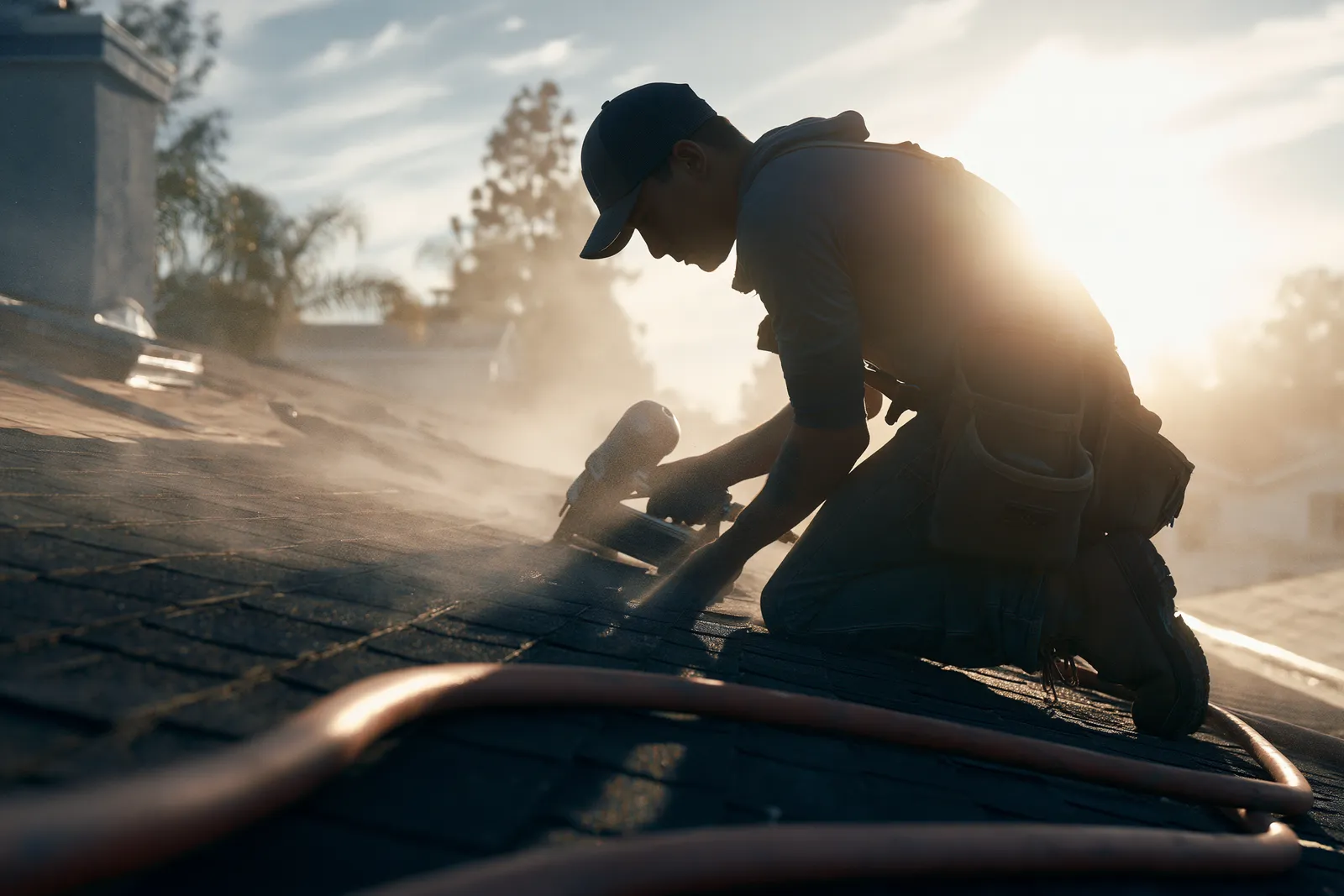
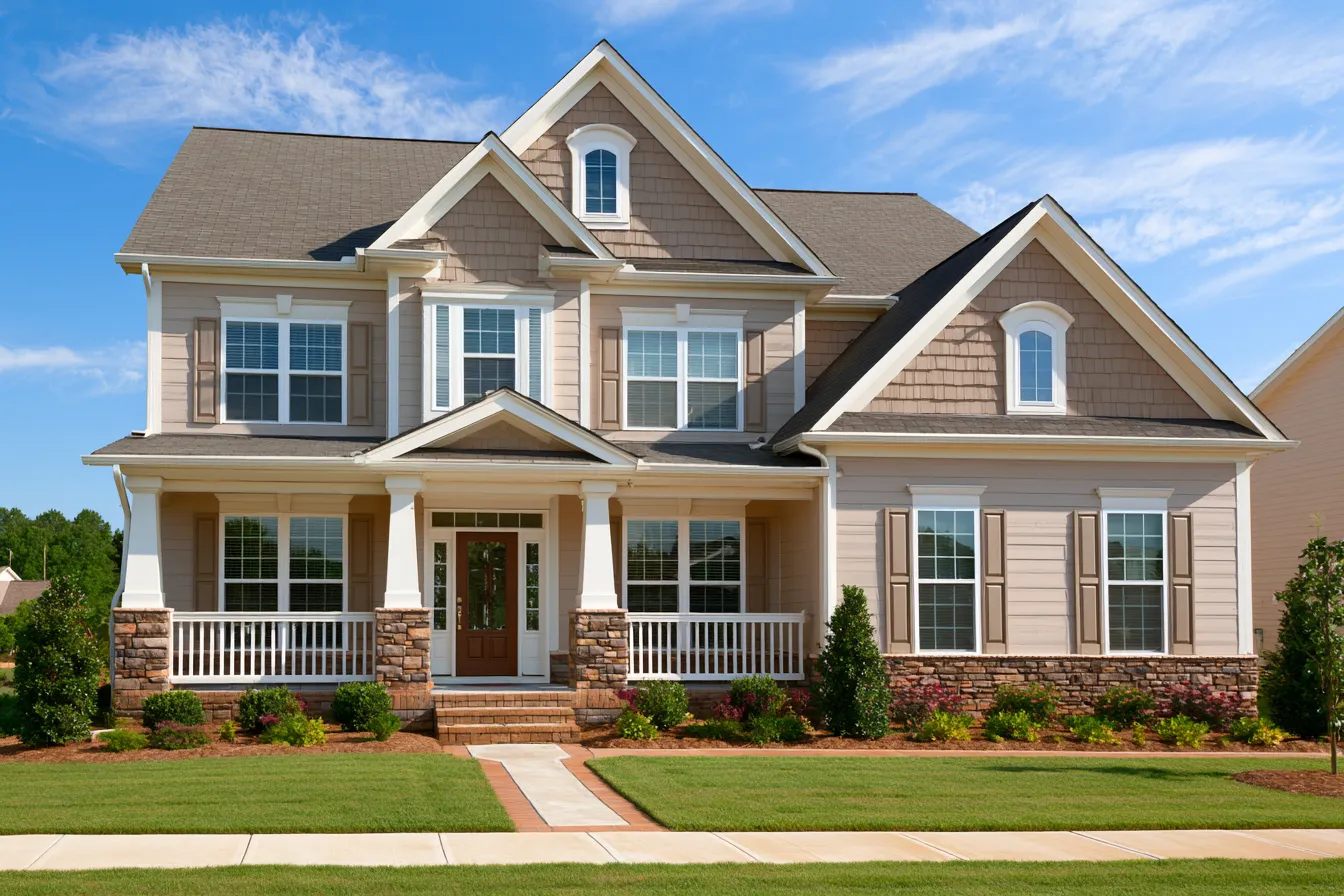
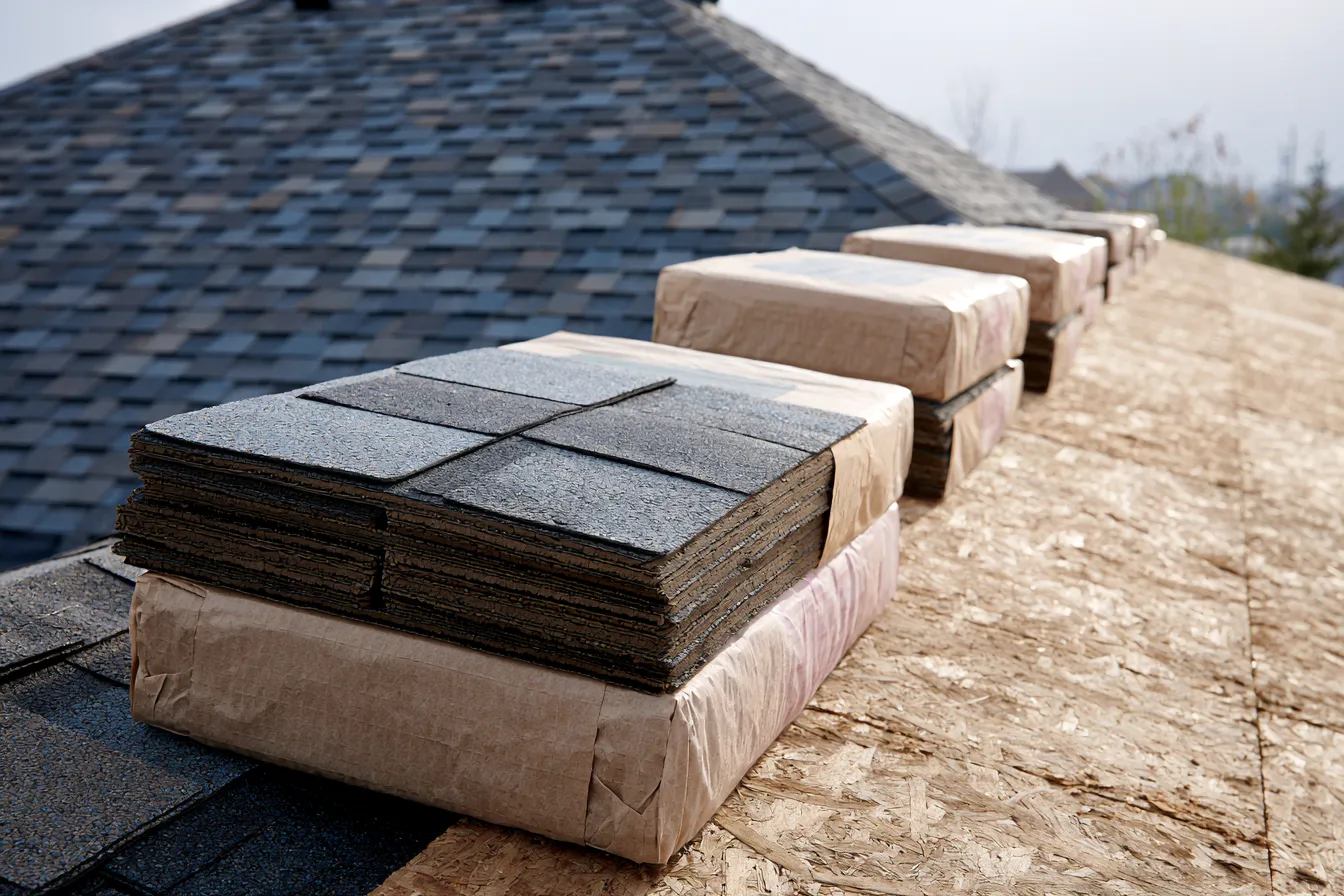
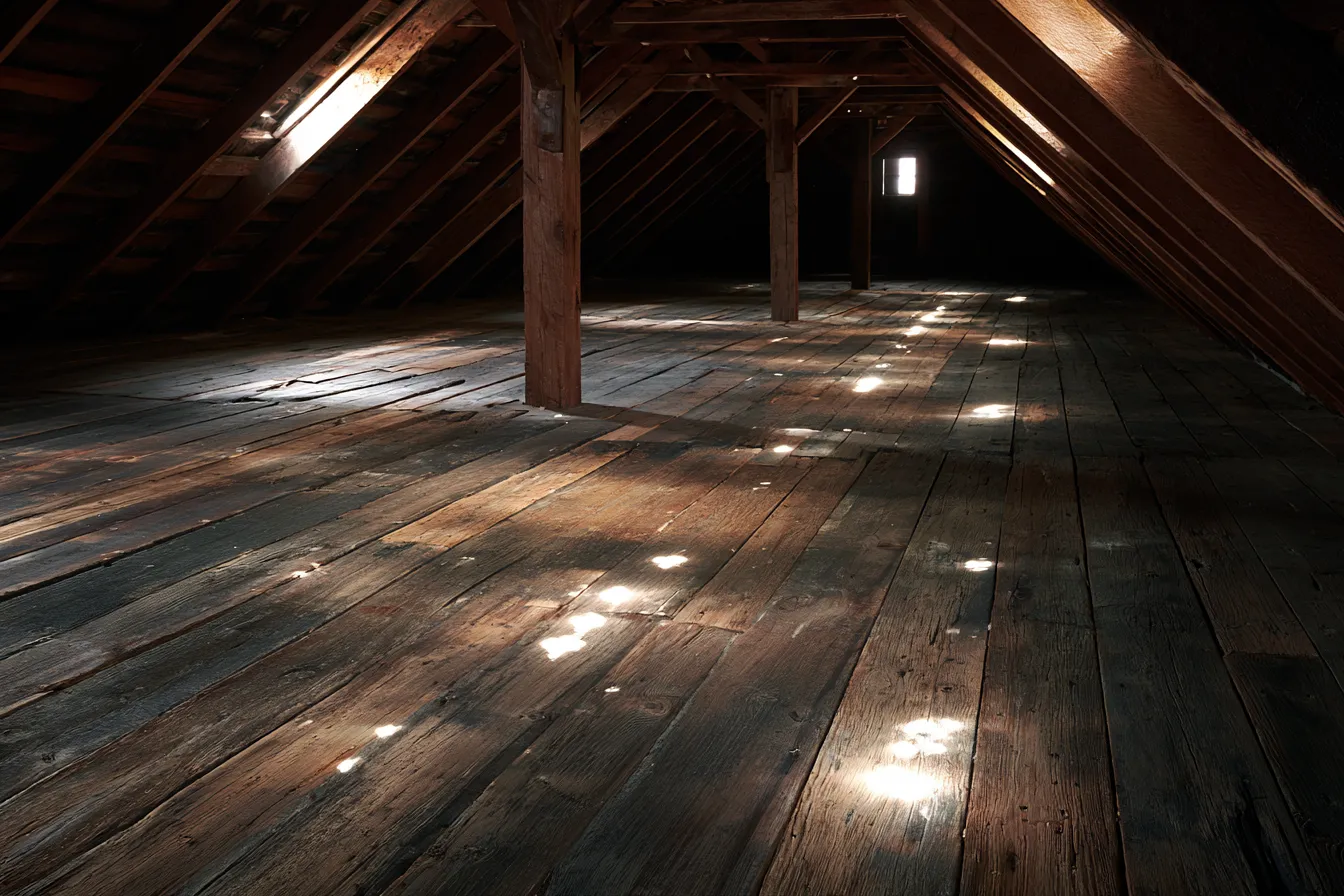
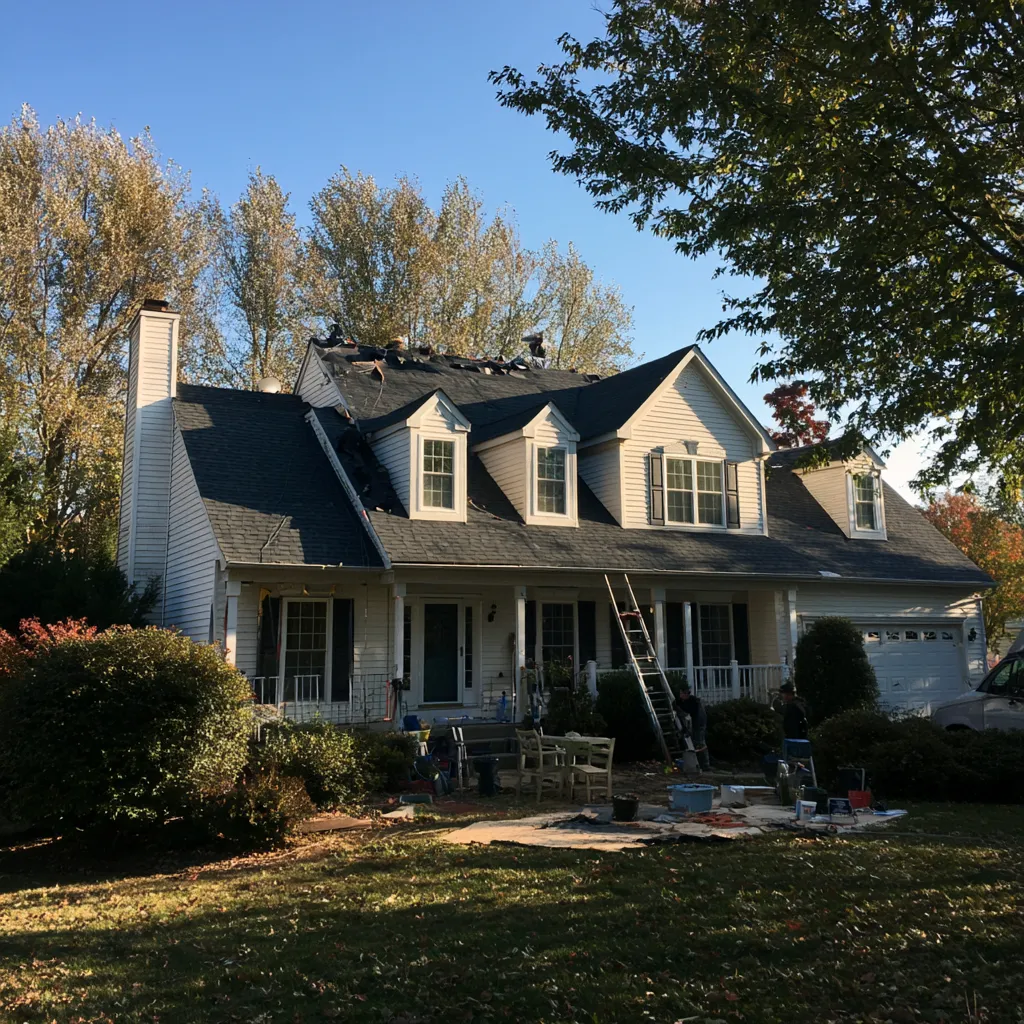
Photos are representative of the roofing work.
Replacement questions Grapevine homeowners ask
What decides a replacement is rarely the shingle. The answers below are mostly about the wood underneath and the paperwork.
Get a measured replacement price
Tell the roofer the address and what the roof has been doing lately. The inspection through Grapevine Roofworks is free.
Call today(817) 442-2362