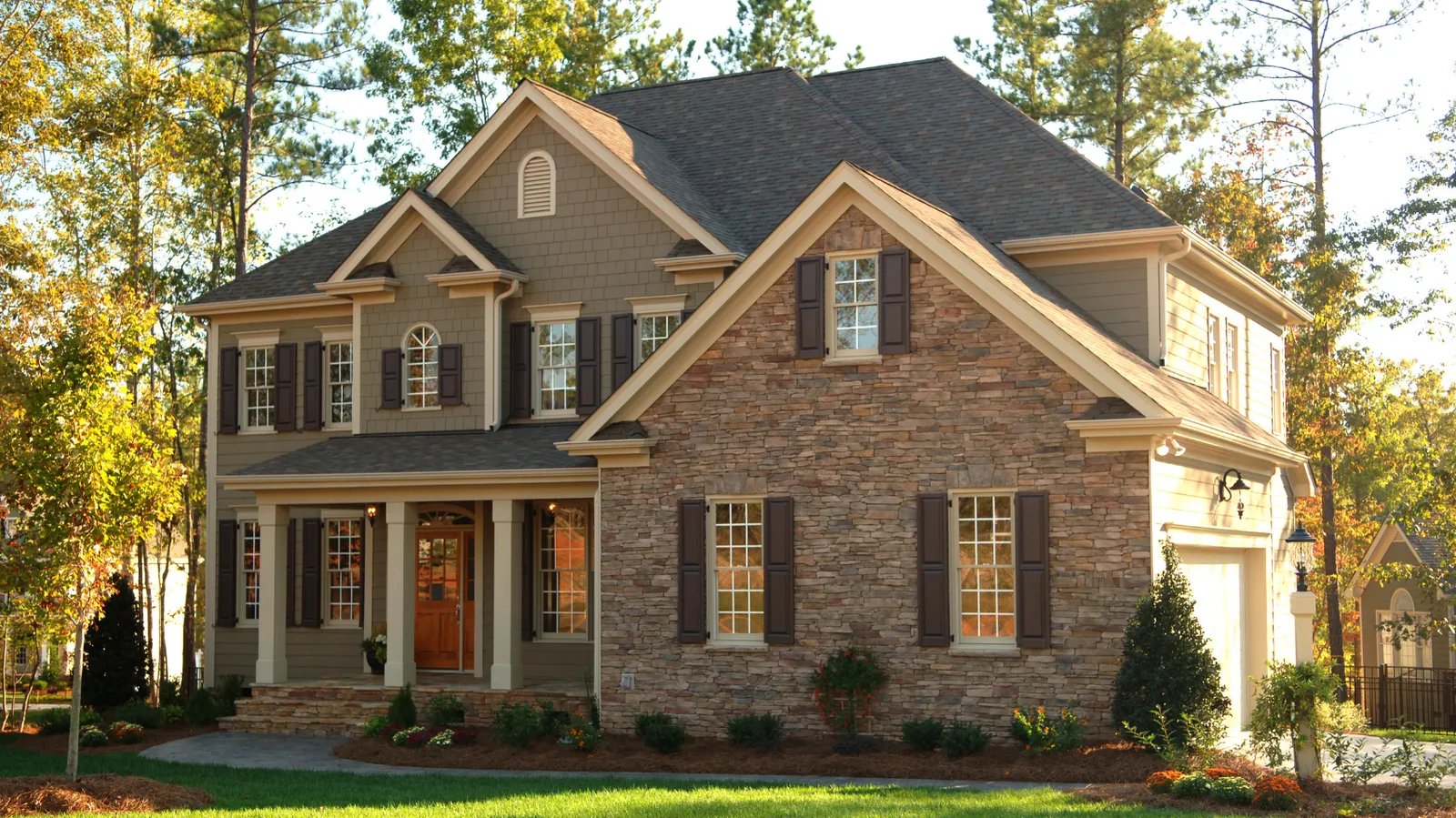
Roofing on Historic Main Street, Grapevine, TX
Main Street's older commercial buildings hide roofs behind a front wall, where water travels before it shows. By the time it reaches a ceiling, it has moved.
The Grapevine Commercial Historic District runs along South Main Street, roughly the 300 to 530 block. It has been on the National Register since March 9, 1992, and the City adopted it locally through Ordinances 92-39 and 92-67.
Roofs on Grapevine's Historic Main Street
The City's own design guidelines are unusually specific about the roofs. The buildings are brick one and two-part commercial with cast-iron storefronts, the period of significance runs about 1870 to 1930, and the roofs are typically flat, sloping to the rear facade.
The flat profile makes most of Main Street a low-slope problem rather than a shingle problem. Flat roofs fail at seams, flashings and low spots long before the open middle gives out, so that is where a local roofer looks first.
The district rules shape the job before any material is chosen, and a Certificate of Appropriateness is required before exterior alterations.
Roofing is not named on the City's own trigger list, so read that as likely rather than settled and check your address with the City before a tear-off is booked. The figures below come from a Census row for the whole city ZIP, where the median build year is 1991, which describes Grapevine and not this block.
Housing figures: U.S. Census ACS five-year estimates, for the surrounding area.
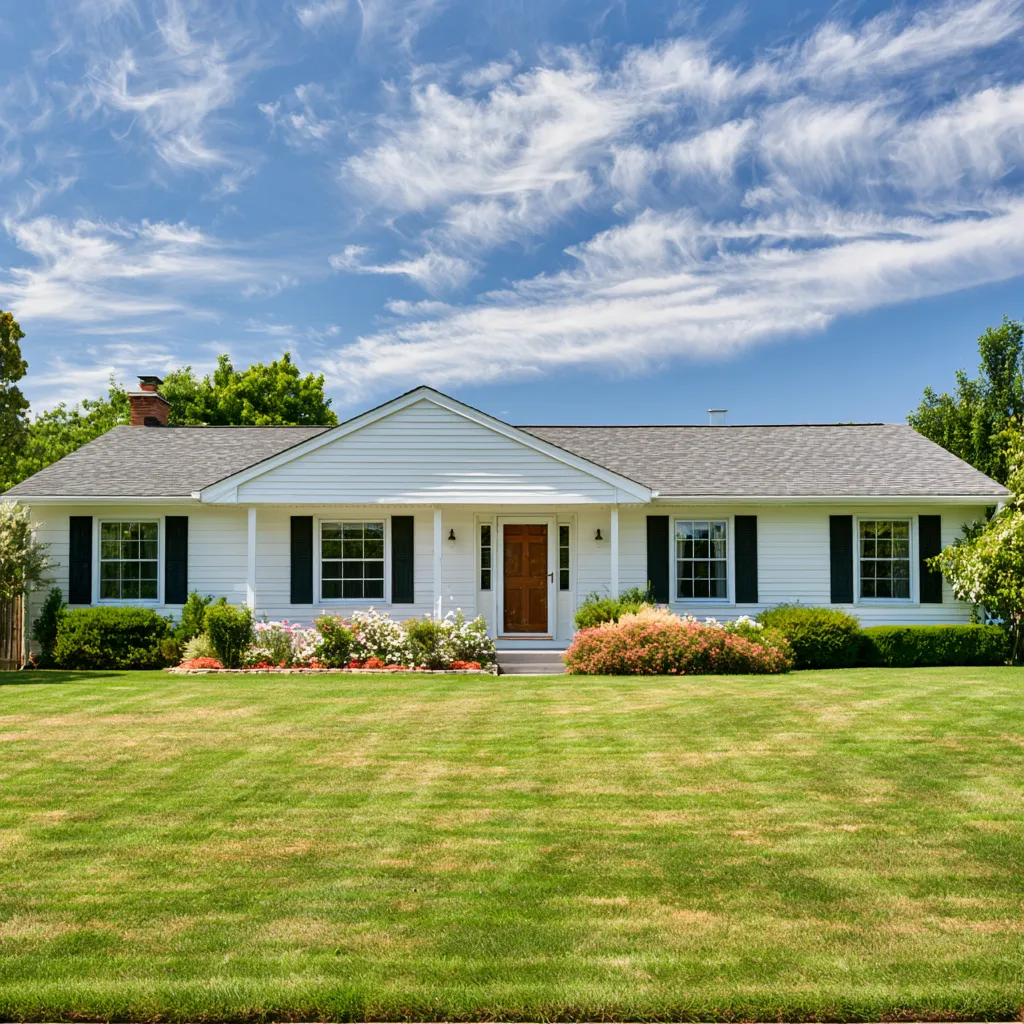
Roofing work on and around Main Street
The district is commercial at its core with houses on its edges. Both get the same written list.
Flat and low-slope roofs
Membrane, seam and flashing work on the roofs sitting behind the storefront parapets.
Roof repair
Tracing a leak back to the seam or flashing that started it, then rebuilding that detail.
Roof inspections
A documented look before you commit to anything, including what can wait another season.
Storm and hail damage
Wind and hail evidence photographed and written down while it is still fresh.
Grapevine has taken gusts in the high seventies, and wind works on a flat roof at its edge metal and parapet flashing first. After a blow like that, those are the details to look at.
How a roof job runs in a historic district
The approval step does apply here, so it belongs in the sequence. Nothing comes off first.
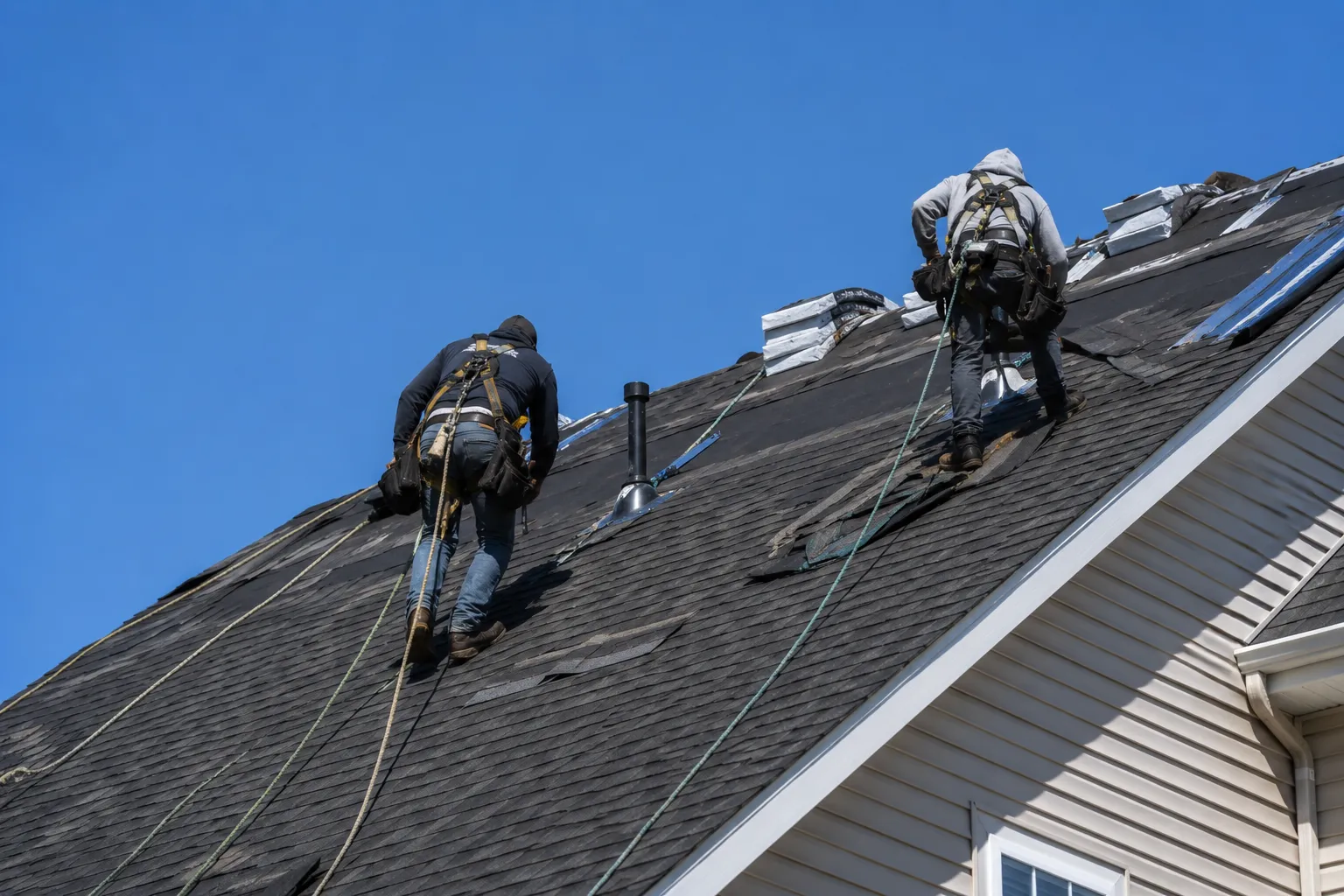
Look at the roof
A local roofer walks it, photographs the seams, and measures what is there.
The work itemized
What gets repaired, what gets replaced, and which materials match the original.
City approval
Confirm with the City whether a Certificate of Appropriateness covers the work.
Build and document
The work goes on, and the paperwork on it stays with your building.
Main Street roofing questions
Five questions that belong to this district and not the rest of town. Flat roofs first.
Get a Main Street roof looked at
Tell Grapevine Roofworks which building and what you are seeing, and a local roofer looks at the roof and puts the work in writing. Repairs and low-slope work both start with a documented inspection.
Call today(817) 442-2362