Somebody knocks after a rough night and quotes a number at you: five inches of hail, a gust at 105 miles an hour. Both of those are real and both were logged in other towns. The reports that carry Grapevine's own name are smaller, and they are almost all wind.
What is actually on the record here
Four wind reports are tagged at Grapevine in the last three years: 71 miles an hour in March 2023, 77 in May 2024, 70 in March 2025, and 68 that June. One hail report is tagged here in the same stretch, an inch across, in May 2024.
An inch is about where hail starts doing damage to asphalt worth the name, so that one entry is not nothing. But four wind events against one hail event is a lopsided record, and it argues for checking the sealant and the tab edges before anyone goes hunting for bruises.
The damage wind leaves is the easiest kind to miss
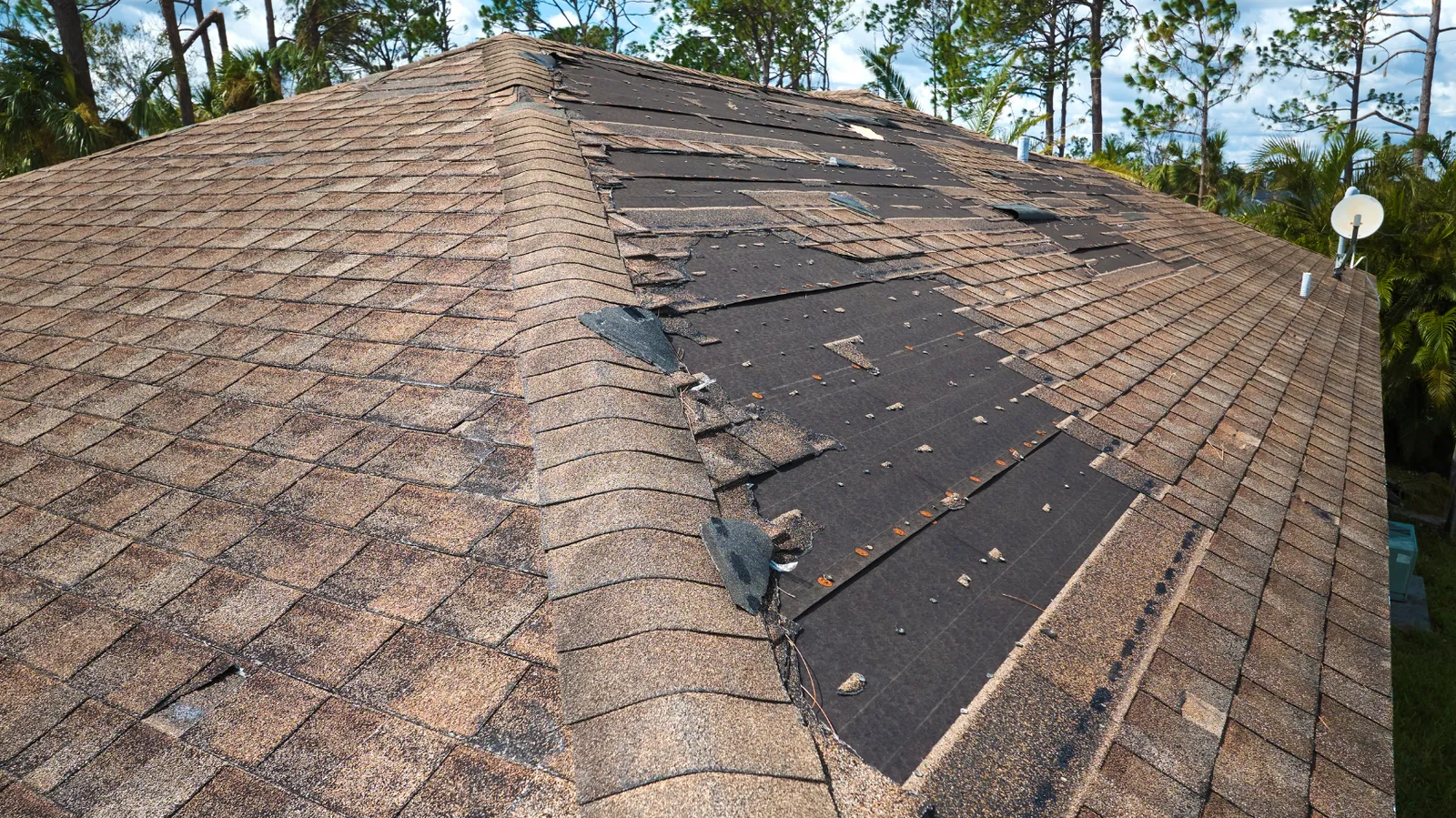
Hail hits and bruises: soft spots in the mat, granules knocked loose, dents in the soft metal. Wind works underneath. It gets below the lower edge of a shingle, breaks the strip of adhesive holding it down, and lifts it. A tab that has lifted and flapped keeps a fold that will not lie back flat and will not seal again.
Sealant strips start letting go somewhere around 45 to 60 miles an hour on a roof that is no longer new. Three of the four gusts logged here sit above that and the fourth is well past it. None of that says your roof took damage. It says the wind was in the range where roofs do, and that a creased tab looks like a perfectly good shingle from the driveway.
County totals describe the county
Tarrant County's record over the same stretch runs to 33 hail days and 230 hail reports, 195 of them an inch or bigger. The largest stone measured five inches, near Mansfield. The strongest gust reached 105 miles an hour at Haltom City. Those are the two figures that get quoted around here, and neither was logged in Grapevine.
Hail comes down in bands a few miles wide, so a county with a heavy record still has streets that were missed completely. A county number tells you what Tarrant County got. It does not tell you what crossed your house, and anyone using one at your door is describing weather they cannot place on your roof.
The lake is part of it
Lake Grapevine sits directly north of town. The dam closed in 1952 and left roughly 7,380 acres of open water with no ridge between it and the houses on that side. Wind arriving off open water has not been broken up by anything on the way.
That explains a pattern across decades, not a particular night. It will not tell you which gust lifted your shingles, and it does not make one street safer than the next. It is simply why the wind entries here outnumber the hail ones.
What is worth doing about any of it
The useful move is a small one: find out what is on your roof before deciding anything about it. That means a local roofer up there photographing the roof, noting what is there, and pricing work only if there is work. A free roof inspection ends with the photographs and a plain written condition, and often enough the condition is that the roof is fine.
If water is coming in today, call Grapevine Roofworks at (817) 442-2362 and say what you are seeing. If it is not urgent, the address and roughly when you noticed something is enough to start with. The dated reports behind all of this sit on the Grapevine storm record, and storm and hail damage repair covers the repair side.
Wind damage and hail damage get repaired differently, and which one you have is settled on the roof. Send Grapevine Roofworks the address and a local roofer takes a look.
Get the roof checked