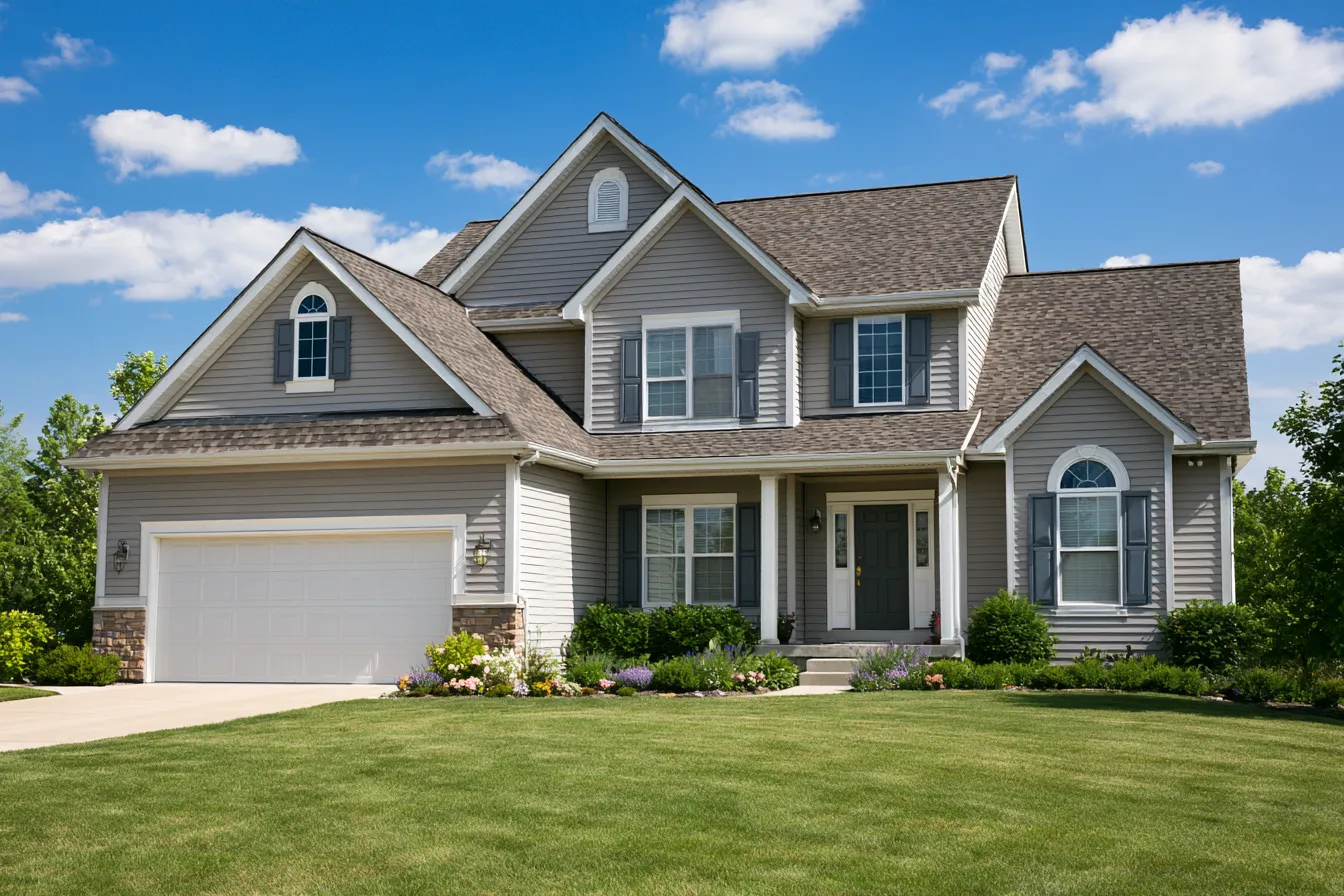
Roof age is the first thing everybody asks about and the last thing most people can answer. The closing paperwork gives you the year the house went up, which is not the year the roof did, and on a house of any age those two numbers have usually come apart.
The year on the house is not the year on the roof
Architectural asphalt is generally rated at twenty-five to thirty years. Grapevine's housing sits right on top of that math, because the middle of this town went up around 1991, which puts a large share of it a full asphalt cycle past its original roof and some of it two. So the build year narrows things, and then it runs out.
Grapevine did not go up all at once. Around College Street the oldest houses predate 1949 and have been re-roofed more times than anyone has a record of. Nearly everything around Dove Crossing and La Paloma Estates was built between 1970 and 1999. Silver Lake Estates is roughly 350 houses put up by one builder between 1999 and 2010, so those streets tend to need roofs within a few years of each other. Grapevine Springs is newer than any of it, with houses going up right now.
What actually moves a roof inside its range
Three things decide where a roof lands inside that twenty-five to thirty year range, and none of them are printed on the wrapper. Attic ventilation is the big one, because air trapped under the deck bakes the shingles from below and takes years off them. Sun exposure is the second. How well the original roof was nailed and sealed is the third.
Which is why two houses on the same street, built the same year by the same builder, can be five years apart in condition. A rating is a range measured under lab conditions, not a date on a calendar. Dating a roof takes somebody up on the roof, looking.
How many layers are already up there
New shingles can go over old ones only where there is a single sound layer underneath. A roof already carrying two has to come off to the deck before anything new goes on. That one fact swings a price further than most shingle choices do, and you cannot see it from the yard. It shows at the edges, where the courses stack.
Grapevine adopted the 2021 residential code effective January 1, 2024, so anything permitted since then is built to it. On an older house the practical effect is concrete: a roof re-covered in the nineties may already be carrying two layers, which means a full tear-off next time and a price that will not match what a neighbor paid for a straightforward job down the block. Counting the layers is cheaper than being surprised by them.
Repair or replace, and how that gets settled
A failed pipe boot, a run of flashing that has opened up, a dozen tabs off one slope: those are repairs, and they cost a fraction of the alternative. A roof where the shingles themselves have run out is a different job. What separates the two is how much life is left in the covering, not what year the house went up.
Send Grapevine Roofworks the address and whatever you already know about the roof, and a local roofer will date it and price both options where both are real. Roof replacement and roof repair cover what each one involves. If the answer turns out to be that you have years left, that is worth having on record too.
The year the house went up narrows it down, and the roof itself decides. Send the address and a local roofer puts a date and a condition on it.
Get a date on the roof